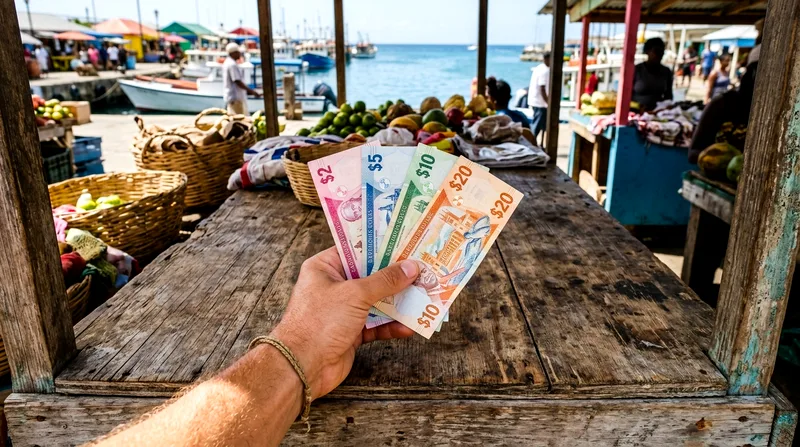
Barbados Prices: Trip Costs and How to Save on Activities
Barbados prices explained: sample daily budgets for backpackers, mid-range and luxury trips, currency tips, and smart ways to save on tours and activities.
10 min read · 20 Oct 2026
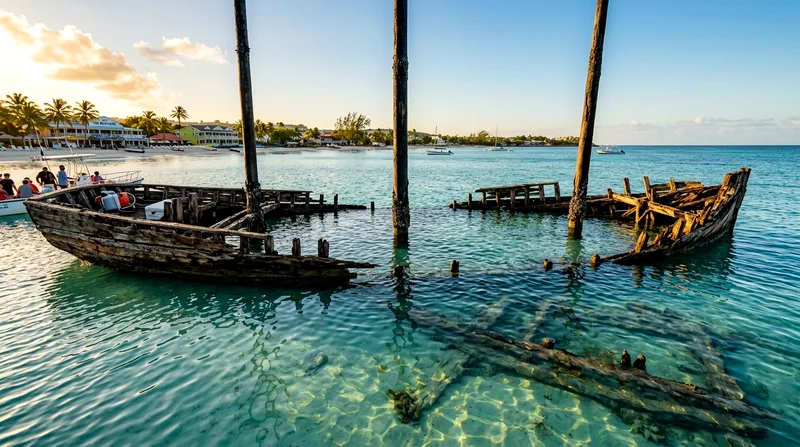
Itineraries
A practical Barbados itinerary with day-by-day routes, beaches, tours and dining, plus where to stay, getting around, and the best time to visit.
Barbados packs reef-lined west coast calm, pounding east coast surf, rum history and Bridgetown's waterfront into an island you can drive across in under two hours. The problem isn't a lack of things to do — it's deciding what to cut when you only have three, five or seven days. This Barbados itinerary is built around that trade-off: three solid core days covering the south coast, west coast and east coast, with clear add-ons if your trip runs longer.
The plan assumes you land at Grantley Adams International Airport, near the south coast, and that you want a mix of beach time, one or two booked experiences, and enough flexibility to swap plans if it rains. It isn't a sprint through every attraction on the island. It's a route that respects how Barbados is actually laid out — calm Caribbean Sea water on the west and south, rougher Atlantic surf on the east — and paces activities so you're not driving for three hours a day.
Couples get the most out of this plan by booking the west coast sunset boat trip on Day 2 and adding a rum distillery stop or a quiet dinner in Holetown or Speightstown. Families with children should lean on the calm south and west coast beaches — Carlisle Bay and Mullins Bay are shallow and generally safe for swimming — and treat the east coast day as a shorter morning excursion, since Bathsheba's surf isn't safe for casual swimming and small kids tire fast on cliff paths. Solo travelers will find Barbados easy to navigate alone; buses run frequently along the south and west coast roads, and hotel tour desks can book day trips without a group. Adventure-minded travelers should prioritize scuba diving on the west coast reefs and consider horseback riding near the east coast — both are better value as half-day add-ons than full-day commitments.
The driest, most reliable stretch runs roughly mid-December through mid-April, which is also peak season — expect higher hotel rates and busier beaches at Accra Beach and Mullins. May and June offer a good middle ground: prices drop, crowds thin, and rain is still manageable. Hurricane season technically runs June to November, but Barbados sits at the southern edge of the Lesser Antilles hurricane belt and takes fewer direct hits than islands like the Bahamas or Turks and Caicos — September and October are the riskiest months for tropical storms and the wettest for daily showers. If you're traveling on a budget, late spring or early summer stretches your money further without much weather trade-off.
Spend your first morning easing in rather than rushing out. Start at Carlisle Bay, a short taxi ride from most south coast hotels, for calm swimming and snorkeling around the shipwrecks just offshore — rentable snorkel gear is common at the beach kiosks. By late morning, head into Bridgetown itself: the historic waterfront and Parliament Buildings are walkable in under an hour, and the Careenage area gives you a sense of the island's colonial and maritime history without needing a guided tour.
Afternoon is for lunch and a slower look at the capital — a fish cutter from a local stand costs a few dollars and is a better introduction to Bajan food than most restaurant versions. If you want structure, the Barbados Museum near the Garrison Historic Area is worth 60-90 minutes and gives useful context for the rest of the trip. Avoid trying to combine Bridgetown with a far-flung attraction on the same day; traffic through the capital in late afternoon is slow and eats into beach time.
Evening works well back on the south coast. St. Lawrence Gap has the highest concentration of restaurants and bars on the island, and it's walkable, which matters if you don't want to arrange taxis after dark. This is a good night to book a sunset catamaran cruise departing from the south or west coast — reserve it before you arrive, since evening sailings fill up during peak season.
Bad weather or tired-legs swap: If it's raining or you're jet-lagged, skip Bridgetown's walking and go straight to the Garrison Savannah area, or simply stay beachside under cover at Carlisle Bay's shaded sections and push the museum to Day 3's downtime.
The west coast — sometimes called the "Platinum Coast" — is where Barbados' calmest water and priciest hotels cluster, and it earns the reputation. Morning belongs at Mullins Bay or Paynes Bay, both good for swimming with young kids and both reachable by the frequent route buses or a short taxi from Holetown. The water here barely has a current most days, a contrast to the east coast you'll see on Day 3.
Midday, walk Holetown itself — it's small, with a mix of jewelry shops, cafés and the old St. James Parish Church — then have lunch at a beachfront spot rather than driving further north. Speightstown, 15-20 minutes north by car, is worth an afternoon detour if you like a quieter, less polished town with original wooden Chattel houses and a smaller tourist footprint than Holetown.
This is the day to book your main water excursion. A half-day catamaran or powerboat trip along the west coast typically includes snorkeling over coral reefs, a stop to swim with sea turtles near Paynes Bay, and sometimes a stop at a wreck site — book this at least a day or two ahead in peak season, since boats have fixed capacity. If you're certified or want a trial dive, scuba diving operators based around Carlisle Bay and the west coast run two-tank trips to sites with soft coral and wrecks in 40-60 feet of visibility on a good day. Compare current boat tours and prices before you book, since options and inclusions vary by operator and season.
If the weather turns, swap the boat trip for a rum distillery tour — most run partly indoors and include tastings, which also makes for a good non-beach afternoon with older kids or on a trip with seniors who want a sit-down pace. The Barbados Wildlife Reserve, inland from the west coast, works as a covered-pathway alternative that still feels like an outdoor activity.
This is the day most short itineraries skip, and it's the one I'd argue against cutting. The east coast is where Barbados stops looking like a postcard of calm water and starts showing you an Atlantic coastline of rock formations, surf breaks and genuinely dramatic scenery. Start early, by 8:30 or 9am, since the drive from the south or west coast takes 45-60 minutes on winding interior roads.
Bathsheba is the centerpiece — the rock formations here (sometimes called the Soup Bowl) draw surfers and photographers, but swimming is dangerous due to strong currents and should be avoided outside marked, lifeguarded sections. Walk the coastline instead, and have a late breakfast or early lunch at one of the small restaurants overlooking the water. Mid-morning, detour inland to Hunte's Gardens or the Flower Forest, both a short drive from Bathsheba, for a change of pace in Barbados' lush interior.
Afternoon can include Harrison's Cave, the island's most-visited inland attraction, with tram tours through limestone caverns running roughly 45 minutes — book ahead in high season since tram capacity is limited. By late afternoon, head back toward your coastal base; the drive back is easier before dark, since interior roads aren't well lit.
Each day of this Barbados itinerary covers a distinct coast with a different pace, so match your energy level and travel style to the right day.
Barbados itinerary by day: area, pace and who it suits best
| Day | Main Area | Pace | Best For | Key Booking |
|---|---|---|---|---|
| Day 1 | South Coast & Bridgetown | Easy, walkable | First-time visitors, solo travelers | Sunset boat cruise |
| Day 2 | West Coast | Relaxed, beach-focused | Couples, families with young kids | Snorkeling/catamaran trip |
| Day 3 | East Coast & Interior | Active, more driving | Adventure travelers, photographers | Harrison's Cave tram |
| Day 4-5 (extension) | South Coast / Diving sites | Flexible | Divers, slower-paced travelers | Scuba diving package |
| Day 6-7 (extension) | Interior & East Coast | Moderate | Horseback riders, nature lovers | Horseback riding tour |
Typical pacing and booking advice; actual tour schedules and availability vary by season and operator, so confirm when booking.
With five days, add a dedicated scuba diving day and a slower day exploring the south coast's surf towns like Silver Sands. With seven days, build in a horseback riding excursion along the east coast or interior trails, plus a full day doing nothing beach-side — Barbados rewards slowing down more than islands like Antigua or St. Lucia, which push you toward constant sightseeing. At ten days, consider a day trip boat or short flight to a neighboring island; Grenada and St. Lucia are both within an hour by air and offer a different, more mountainous landscape if you want contrast.
Barbados is compact — about 21 miles long and 14 miles wide — but road quality and traffic vary enough that your choice of base changes how your days actually run.
Public buses (blue government buses, yellow private minibuses, and route taxis) cover the south and west coasts frequently and cost a few dollars a ride, flat fare regardless of distance — reasonably reliable for coastal trips but less useful for the east coast and interior. Taxis are unmetered; agree the fare before you get in, and expect a premium for east coast runs given the longer distance and winding roads. Car hire requires a temporary Barbados driving permit, issued on the spot at rental counters using your home license, and remember driving is on the left — a genuine adjustment for visitors from the US or much of Europe. If you're only doing the south and west coast, skip the rental car; if the east coast and interior matter to you, a rental for at least part of the trip saves real time over taxis.
The south coast, around St. Lawrence Gap and Worthing, offers the best value and the liveliest evening scene, with easy bus access to Bridgetown. The west coast has calmer water and higher-end resorts, better suited to couples and travelers prioritizing beach over nightlife — it's quieter at night and pricier, closer in feel to Aruba's resort strip than to the more budget-friendly options in Jamaica. Basing on the east coast isn't practical for most visitors; accommodation is sparse and it's a poor base for beach swimming, though it suits surfers specifically chasing the Soup Bowl.
Not every Barbados activity needs advance booking, but a handful genuinely do, and getting the order right avoids schedule clashes. Catamaran and snorkeling trips, scuba diving packages, and Harrison's Cave tram tours all have fixed daily capacity and fill during peak season (mid-December to April) — reserve these before you land if your trip falls in that window. Rum distillery tours and the Barbados Wildlife Reserve rarely sell out and can be booked a day or two ahead, or even the same morning.
Book your sunset or snorkeling boat trip first, since it's weather- and tide-dependent and operators often have only one or two sailings a day. Book Harrison's Cave next, especially if traveling with kids or seniors who'll want a specific tram time rather than standing in a queue. Scuba diving should be booked around your other plans, not the reverse, since dive shops are usually flexible on timing within a given week. Leave dinner reservations in St. Lawrence Gap or Holetown for a day or two ahead — walk-ins are common outside peak weeks, but popular spots near the water fill on weekends.
Three full days cover the south, west and east coasts well and suit a short Caribbean stopover. Five to seven days is the sweet spot for most couples and families, leaving room for diving, horseback riding or a slower beach day without feeling rushed. Under three days means skipping either the east coast or a booked tour, which cuts out a lot of what makes Barbados distinct from other islands.
The south coast (St. Lawrence Gap, Worthing) offers the best value and liveliest nightlife, with easy bus links to Bridgetown. The west coast suits couples and honeymooners who want calmer water and higher-end resorts but will pay more and find evenings quieter. Avoid basing on the east coast unless you're specifically there to surf — lodging is limited and it's a poor base for daily beach swimming.
September and October carry the highest risk of tropical storms and the most consistent rain, making them the least reliable months. Barbados sits at the edge of the main hurricane belt, so it's statistically safer than islands like the Bahamas or Turks and Caicos, but late-season storms still happen. If you want lower prices without heavy rain risk, aim for late April through early June instead.
Carlisle Bay on the south coast is ideal for snorkeling around shipwrecks and calm swimming. Mullins Bay and Paynes Bay on the west coast suit families and casual swimmers, with warm, current-free water most days. Bathsheba on the east coast is impressive to look at and photograph but dangerous for swimming — admire it from the shore, not the water.
Yes, by regional standards Barbados is one of the more stable and lower-crime islands in the Lesser Antilles, comparable to Aruba in that respect. Standard precautions apply — don't leave valuables visible in a parked rental car, and use licensed taxis at night. The main physical risk is actually the water: strong currents on the east coast cause more visitor injuries than crime does.
Barbados prices explained: sample daily budgets for backpackers, mid-range and luxury trips, currency tips, and smart ways to save on tours and activities.
10 min read · 20 Oct 2026

Planning how to get to Barbados? Learn flight routes from Europe and North America, Grantley Adams airport arrival, entry form steps and getting around.
10 min read · 20 Oct 2026
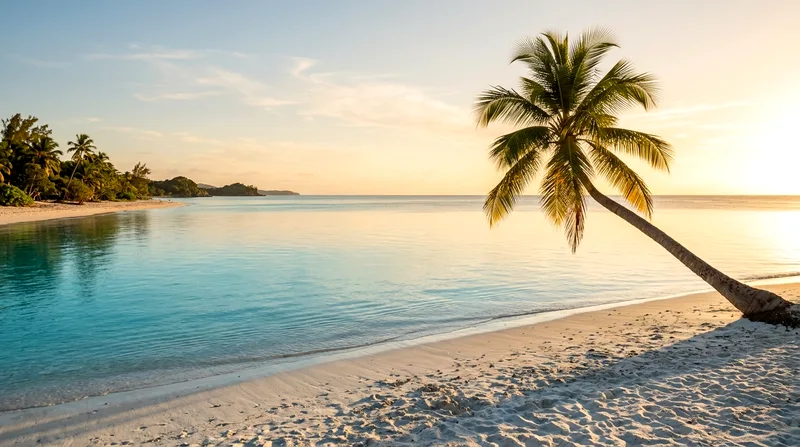
Barbados vs Aruba compared on beaches, activities, culture, food, weather risk and cost, so you can decide which island suits your trip and budget best.
11 min read · 20 Oct 2026
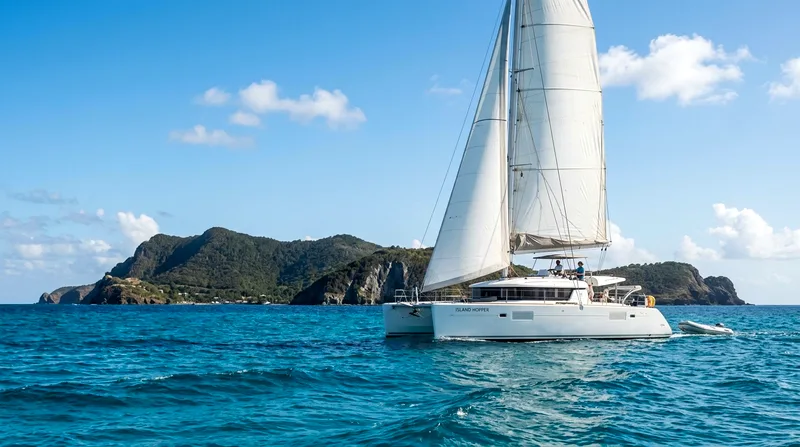
A 10-day Barbados itinerary paced for slow travel: beaches, diving, golf, hiking and a Grenadines day trip, with timings and booking tips.
11 min read · 20 Oct 2026
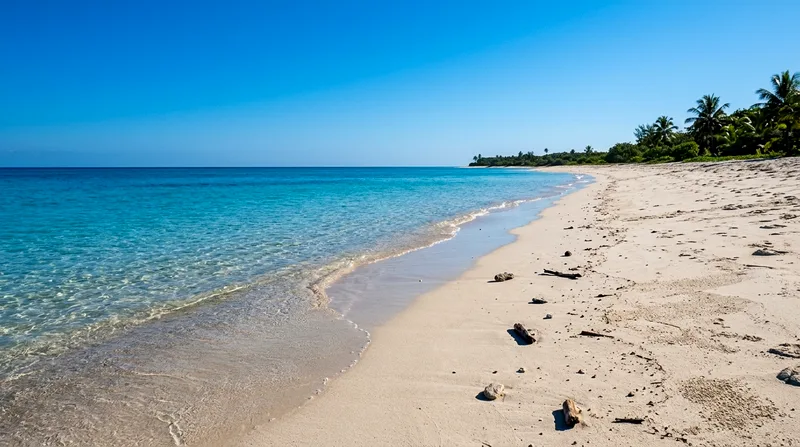
Find the best time to visit Barbados with a month-by-month guide to weather, hurricane season, crowds, events and prices, plus tips for UK travellers.
10 min read · 20 Oct 2026
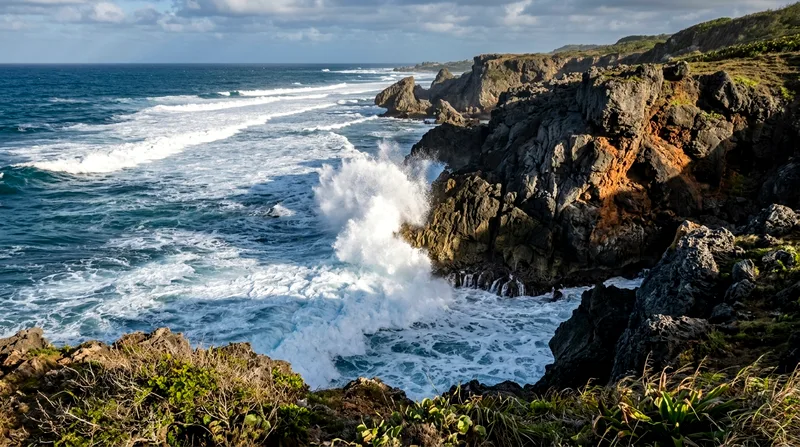
A day-by-day Barbados itinerary for 7 days covering the west, south and east coasts, Harrison's Cave, Bridgetown, rum and food, for couples, families and seniors.
12 min read · 20 Oct 2026

Planning Barbados things to do with kids? Compare family-friendly tours by age group, from submarine rides to turtle swims, plus what to check when booking.
11 min read · 20 Oct 2026
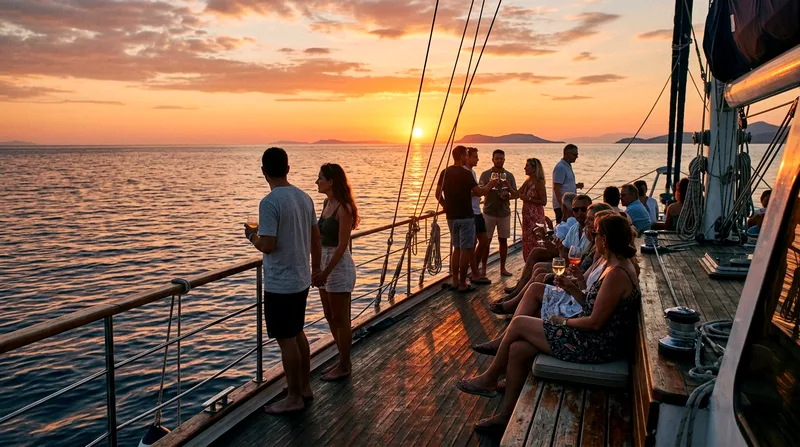
A 5-day Barbados itinerary with a catamaran cruise, island tour, Friday fish fry and beach time — plus where to stay and how to get around.
10 min read · 20 Oct 2026