A 10-day Barbados itinerary paced for slow travel: beaches, diving, golf, hiking and a Grenadines day trip, with timings and booking tips.
Barbados Itinerary 10 Days: A Slow-Paced Plan
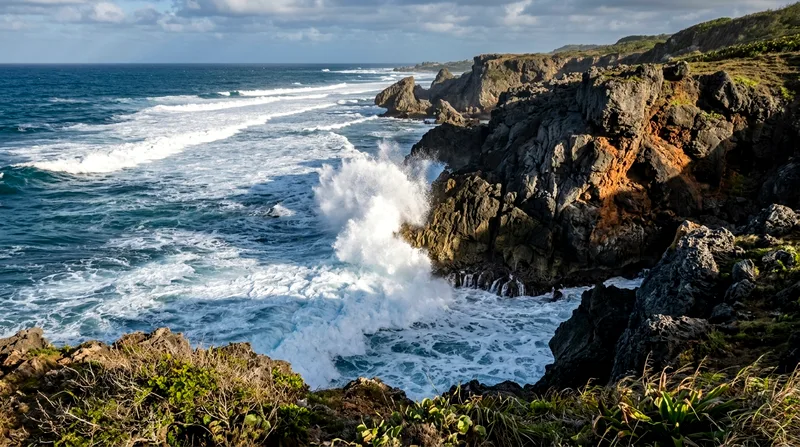
Ten days lets you see Barbados at an unhurried pace, with active days balanced by beach days and one memorable inter-island escape to the Grenadines. Most package tourists get three or four days — enough for Bridgetown, one beach, and a rum tour — and go home having missed the east coast entirely, where the Atlantic surf hits limestone cliffs and the island feels nothing like the postcard west coast.
This barbados 10 day itinerary splits roughly into three legs: south coast and Bridgetown first, west coast diving and golf in the middle, east coast and the Grenadines day trip toward the end. It's built for people who don't want to move hotels every two nights. You'll base in two, maybe three places, with gaps for nothing more than a nap and a swim. If you're the type who needs a packed schedule to feel like you're getting value, this plan will frustrate you a bit — it's deliberately light some afternoons. If that sounds like a relief rather than a waste, keep reading.
Who This Slow-Paced Itinerary Suits
This isn't an itinerary for someone trying to tick off every parish in a week. It suits travelers who'd rather do five things well than ten things fast — the same instinct that makes slow travel Barbados trips popular with retirees, couples celebrating anniversaries, and families who don't want jet-lagged kids dragged through six activities a day.
Slow Travel Pacing and Rest Days
Each day in this plan has one headline activity — a dive, a hike, a tour — and the rest is flexible beach or pool time. Days 3, 6 and 9 are intentionally light, with no bookings at all. That matters more in Barbados than in, say, Jamaica, where distances between attractions are longer and driving eats your day. Barbados is small enough — about 34 km north to south — that you can do a morning activity and still be back on a lounger by 1pm. Building in slack also gives you weather insurance: if a squall rolls through on your scheduled snorkel day, you push it to the rest day instead of losing it entirely.
Solo, Couple and Family Variations
Solo travelers can compress this to 7-8 days by dropping one rest day and skipping the golf day, redirecting that budget toward the Grenadines trip and a dive package. Couples get the most out of the full ten days as written, especially the west coast stretch. Families with children under 10 should swap the wreck diving day for Folkestone's shallow snorkel trail instead, and consider skipping the Grenadines day trip — it's a long day on a boat (often 10-12 hours door to door) that tests a young child's patience more than the parents'.
Days 1-3: Bridgetown and the South Coast
Land at Grantley Adams International, which sits on the south coast, so your first base should be nearby — Hastings, Worthing or St. Lawrence Gap all put you within a 15-minute taxi ride of the airport and Bridgetown.
Arrival, Carlisle Bay and Historic Bridgetown
Day 1 is for landing, checking in, and doing nothing ambitious — flights from the UK and much of Europe run 8-9 hours, so fight the urge to sightsee immediately. Settle in, walk to a nearby beach, and eat early.
Day 2 morning: head into Bridgetown itself, a UNESCO World Heritage city since 2011 for its garrison and historic town layout. Walk the Careenage waterfront, see the Parliament Buildings and National Heroes Square, and allow 2-3 hours. Afternoon: Carlisle Bay, a short taxi or bus ride south of the capital, is the best spot for a calm swim and has resident turtles that snorkelers regularly see close to shore — bring your own mask and fins or rent locally for a few dollars rather than pay resort rental rates. This is also where you could book a glass-bottom boat or turtle snorkel tour; reserve it a day or two ahead in high season (December to April), since boats fill up.
South Coast Beaches and Local Food
Day 3 is the first deliberate rest day. Stay on the south coast — Accra Beach in Rockley is lively with watersports rentals and beach bars if you want some noise, while Dover Beach near St. Lawrence Gap is quieter. Evening: St. Lawrence Gap itself is the obvious choice for dinner, with a strip of restaurants serving flying fish, cou-cou, and fresh mahi-mahi. Oistins Fish Fry, a bit further along the coast, runs big on Friday nights with grilled fish stalls and local rum punch — worth timing your trip around if you can, since it's one of the few genuinely local-feeling evenings a visitor can walk into without a booking.
Days 4-6: West Coast, Diving and Golf
Move base to the west coast — Holetown or further north toward Speightstown — for calmer water, better snorkeling, and the island's golf courses. Traffic along Highway 1 between the south and west coasts can be slow at peak times, so budget 45-60 minutes for the transfer rather than the 30 minutes Google Maps suggests.
Holetown, Snorkelling and Wreck Diving
Day 4: settle into Holetown, browse the small boutiques, and snorkel at Folkestone Marine Park, where a reef and a sunken wreck sit close enough to shore for moderately confident swimmers to reach without a boat. Day 5 is the dive day — Barbados has several accessible wrecks off the west coast, including the Stavronikita, sitting upright at around 36 metres, suited to certified divers, with shallower wrecks and reef dives available for beginners or snorkelers who'd rather stay on the surface. Book this one ahead; dive operators typically want 24-48 hours' notice to confirm boat space and tank sizes, especially in winter high season.
A Golf Day and a Restful Beach Day
Day 6 morning: golf, if that's your thing — Barbados has several courses, with Royal Westmoreland and Apes Hill among the better-known west coast options, both requiring advance tee-time booking, especially on weekends. If golf isn't for you, this is simply another rest morning on the beach at Mullins or Paynes Bay, both calm enough for weak swimmers and small children. Afternoon: low-key, maybe a rum tour at one of the island's distilleries — Mount Gay, just outside Bridgetown, is the most visited and runs regular tours, though it leans touristy compared to the smaller St. Nicholas Abbey distillery up north, which I'd rate as the better experience if you only have time for one.
Days 7-10: East Coast and Grenadines Day Trip
This is the stretch most ten-day itineraries skip, and it's the biggest mistake they make. The east coast is where Barbados stops looking like a generic Caribbean postcard and starts looking like itself — rugged, Atlantic-facing, and much less developed.
Hiking, Animal Flower Cave and the Atlantic Coast
Day 7: drive or take a tour up to the north and east, stopping at Animal Flower Cave near North Point, where sea anemones live in tidal pools inside a cave carved into the cliffs — entry runs a modest fee and includes access to a small platform overlooking the crashing surf. This coast is not for swimming; the undertow is dangerous even for strong swimmers, and lifeguards are scarce. Day 8: hiking. The Barbados National Trust runs free guided Sunday hikes, or you can walk sections of the east coast independently around Bathsheba and the Hackleton's Cliff area, which has views comparable to parts of St. Lucia's Pitons trail but with far fewer people. Allow a full morning; the terrain is uneven in places, so proper shoes matter more here than almost anywhere else on the island.
Grenadines Day Trip Logistics and Final Day
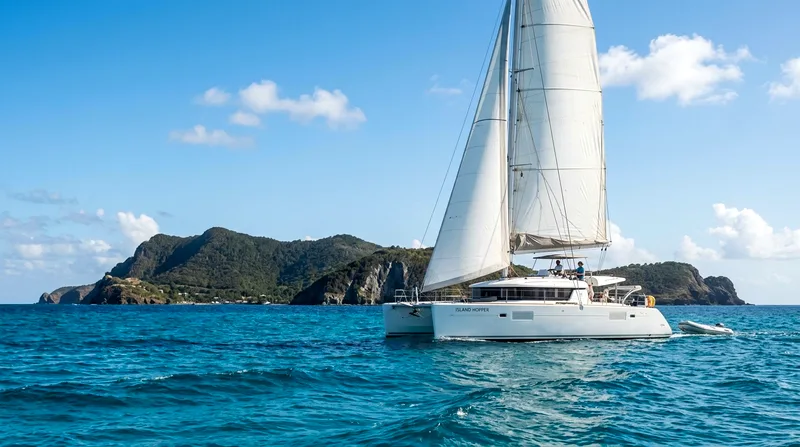
Day 9 is the Grenadines day trip — the one booking on this whole itinerary that genuinely needs advance planning. This typically means a fast-boat crossing to Bequia or the Tobago Cays in the Grenadines, part of St. Vincent and the Grenadines, not Barbados itself, and it's a long day: early starts (often before 6am) and late returns, with several hours actually in the water or on the beach once you arrive. Operators often require passport details days ahead for immigration clearance between countries, so this is not a trip to book on a whim two days out — check visitbarbados.org or the operator's own site for current entry requirements before you commit. Day 10: keep it deliberately empty. A last swim, last lunch, pack, and leave buffer time for the airport given south coast traffic.
Getting Around and Where to Base Yourself
Barbados drives on the left, roads are generally in decent condition on main routes, and signage can be inconsistent in rural areas — rely on a GPS app rather than road signs alone.
The ten days split into three coastal legs with built-in rest mornings so no single day overloads the schedule.
Barbados 10 day itinerary: day-by-day summary of activities and pacing
| Days | Base Area | Main Activity | Pace | Booking Needed Ahead |
|---|---|---|---|---|
| Days 1-3 | South Coast | Bridgetown, Carlisle Bay, Oistins | Easy | Turtle/glass-bottom boat tour |
| Days 4-6 | West Coast | Snorkelling, wreck diving, golf | Moderate | Dive trip, golf tee time |
| Days 7-8 | East Coast (day trips) | Animal Flower Cave, hiking | Active | Guided hike (optional) |
| Day 9 | South/West Coast | Grenadines day trip | Long day | Yes, book early with passport details |
| Day 10 | South Coast | Rest, departure | Minimal | None |
Typical pacing; adjust by season and energy levels, and always confirm current tour schedules before booking.
Buses, Taxis and Rental Car Options
Public buses (blue government buses, yellow private minibuses, and ZR vans) cover most of the island cheaply, with flat fares regardless of distance — useful for south and west coast trips but less reliable for reaching the east coast or Animal Flower Cave on a schedule. Taxis are metered loosely and best agreed on a price before you get in; a ride from the south coast to Holetown typically costs noticeably more than a short hop within St. Lawrence Gap. For this itinerary, I'd recommend renting a car for at least the west and east coast legs — a temporary Barbados driving permit is required and is usually issued at the rental desk for a small fee on top of your home license. Without a car, the east coast days become considerably harder to plan independently, and you'll lean more on organized tours.
Best Areas by Traveller Type
South coast (Hastings, Worthing, St. Lawrence Gap) suits solo travelers and younger couples who want nightlife and budget-friendly guesthouses. West coast (Holetown, Speightstown) suits couples and families with more to spend — it's calmer, pricier, and closer to the snorkeling and golf. Senior travellers often do best splitting time between the two rather than committing to one, since the west coast's flat terrain and calm water are easier going. Compare this to Antigua, where villa rentals dominate and public transport is thinner, or Grenada, where distances between coasts are longer — Barbados's small size is genuinely one of its biggest practical advantages for a multi-base trip like this one.
Optional Bookable Experiences
Beyond the core plan, a handful of add-ons are worth slotting into rest days if you have the energy — none are essential, but they round out a barbados diving golf hiking itinerary nicely.
Water-Based and Active Add-Ons
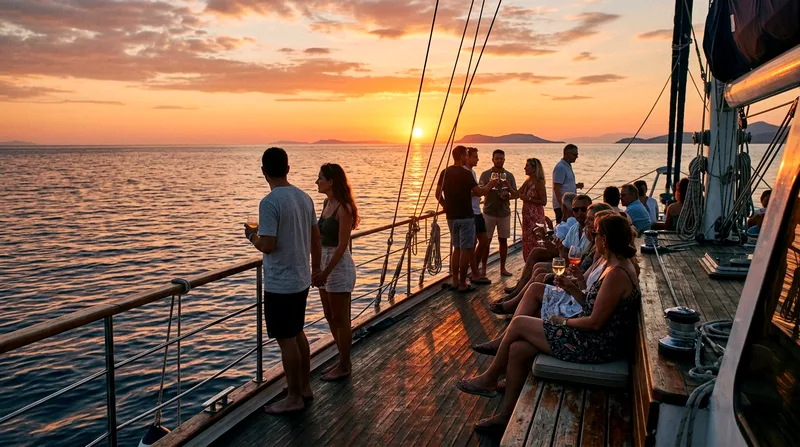
Catamaran sunset sails along the west coast are widely available and usually include swim stops and sometimes a turtle encounter — a good fit for day 6 evening if golf wore you out less than expected. Surfing lessons at Bathsheba or the Soup Bowl suit confident swimmers only; the Atlantic swell here is serious enough that it hosts international competitions, and it's not beginner-friendly water compared to the gentler breaks you'd find in parts of Aruba. Deep-sea fishing charters run half or full day and depart mainly from Bridgetown's marina.
Culture, Food and Rum Experiences
A food tour through Bridgetown's markets or a cooking class focused on Bajan staples — cou-cou, pepperpot, macaroni pie — gives more context than just eating the dishes at a restaurant. Plantation house visits, like St. Nicholas Abbey or Sunbury, cover the island's sugar and colonial history more directly than Bridgetown's museums do, and pair naturally with the rum distillery stop on day 6. None of these need booking more than a day or two out, unlike the dive trips and the Grenadines crossing.
Frequently asked questions
How many days is enough for Barbados?
Five days covers the main west and south coast highlights, but you'll miss the east coast entirely. Ten days, as in this itinerary, allows a proper pace with rest mornings and still fits in diving, golf, hiking and a Grenadines day trip. A barbados two week trip adds comfortable buffer for weather delays and a second rest-heavy stretch, but isn't necessary for most travelers.
Where should I stay in Barbados for 10 days?
Split your stay: 3-4 nights on the south coast near Bridgetown and the airport, then 4-5 nights on the west coast near Holetown or Speightstown for calmer water and easier access to diving and golf. Avoid booking a single hotel for all ten nights unless it's centrally located near Holetown, since the east coast day trips become long round trips from the far south.
Can you do a day trip from Barbados to the Grenadines?
Yes, typically via a fast boat to Bequia or the Tobago Cays in St. Vincent and the Grenadines. It's a long day — often 10-12 hours door to door — and crosses an international border, so operators usually need passport details several days in advance for clearance. Check visitbarbados.org or your operator directly for current entry requirements before booking.
What is the best time of year for a 10-day Barbados trip?
December through April is driest and busiest, with higher prices and fuller dive and tour boats, so book diving and the Grenadines trip well ahead. May and June offer good weather with fewer crowds. June through November is hurricane season — storms aren't guaranteed, but flexibility matters more then, and some boat trips get cancelled on short notice.