Barbados vs Aruba compared on beaches, activities, culture, food, weather risk and cost, so you can decide which island suits your trip and budget best.
Barbados vs Aruba: Two Very Different Caribbean Trips
Both islands sell the same promise — warm water, steady sun, direct flights from North America and Europe — but they deliver it differently. Barbados is the easternmost Caribbean island, a former British colony with its own strong food and music identity, bordered by the Atlantic on one side and calmer Caribbean Sea on the other. Aruba sits in the far southern Caribbean, part of the Kingdom of the Netherlands alongside Curaçao, with a dry, almost desert-like climate and some of the most reliably calm beaches in the region.
If you're trying to decide between them, the honest answer is that this isn't really a contest with one winner. It's a question of what kind of week you want. Aruba is built for predictability: low rainfall, limited hurricane exposure, calm water almost everywhere. Barbados is built for variety: rough Atlantic coastline on the east, glassy water on the west, a lively food and rum scene, and more going on beyond the beach. Readers asking "is Barbados worth visiting" compared with Aruba usually get a clearer answer once they know which of those two profiles matches their trip.
Barbados vs Aruba at a Glance
Start with geography, because it explains almost every other difference. Barbados lies further east and south than most of the Caribbean chain, fully in the Atlantic's reach on its windward side, while its leeward west coast is sheltered and calm — think Holetown and Speightstown. Aruba sits off the coast of Venezuela, outside the main hurricane belt, with a flat, scrubby landscape and beaches along almost its entire leeward side.
Flight times matter if you're coming from Europe. Barbados has direct flights from London, Manchester and a handful of other UK and European routes, generally eight to nine hours. Aruba's direct connections from Europe are thinner — most European travelers connect through the US, Amsterdam (via its Dutch Caribbean ties), or a hub city, adding real time to the journey. For North American travelers the calculus flips: Aruba has strong direct links from the US East Coast and Toronto, often matching or beating Barbados on convenience.
Aruba offers more predictable weather and calmer beaches, while Barbados offers more coastal variety and a deeper food and culture scene for a similar overall cost.
Barbados vs Aruba compared: cost, weather risk, beaches and crowds
| Factor | Barbados | Aruba |
|---|---|---|
| Typical cost level | Mid to high, similar to Aruba overall | Mid to high, similar to Barbados overall |
| Hurricane season risk | Low to moderate, June–November | Very low, mostly outside the belt |
| Beach water conditions | Calm on west coast, rough on east | Calm nearly island-wide |
| Rainfall pattern | Wetter, tropical, green landscape | Dry, desert-like, scrubby landscape |
| Food and dining depth | Strong local cuisine, more variety | Good but more international/resort-driven |
| Direct flights from Europe | Better (UK routes) | Limited, often via connections |
| Direct flights from US/Canada | Good | Very good |
| Best for | Culture, food, varied coastline | Guaranteed sun, calm water, simplicity |
Cost and risk levels are relative and seasonal; check current flight routes and hurricane outlooks before booking.
Quick Comparison Table
The table below sets out the factors that actually decide this choice — cost, weather risk, crowd feel and the kind of beach you'll get each day. Use it as a first filter, then read the sections below for the reasoning behind each line.
Is Barbados Worth Visiting?
Short answer: yes, but not for the same reasons Aruba is. Search forums like Reddit and you'll find the "is Barbados worth it" question comes up a lot, usually from people comparing it to cheaper islands or to Aruba's calmer reputation. Barbados isn't trying to be the calmest, cheapest option — it's trying to be the most complete one. You get rum distilleries with centuries of history, a genuinely good food scene built on flying fish, cou-cou and fish markets like Oistins, plus surf on the east coast and flat water on the west within a 40-minute drive. Aruba does one thing extremely well — beach days — while Barbados asks you to do a bit more planning to get the full picture. If your idea of a good trip is "wake up, beach, repeat," Aruba scores higher. If you want that plus culture and food worth writing home about, Barbados holds its own.
Beaches and Things to Do
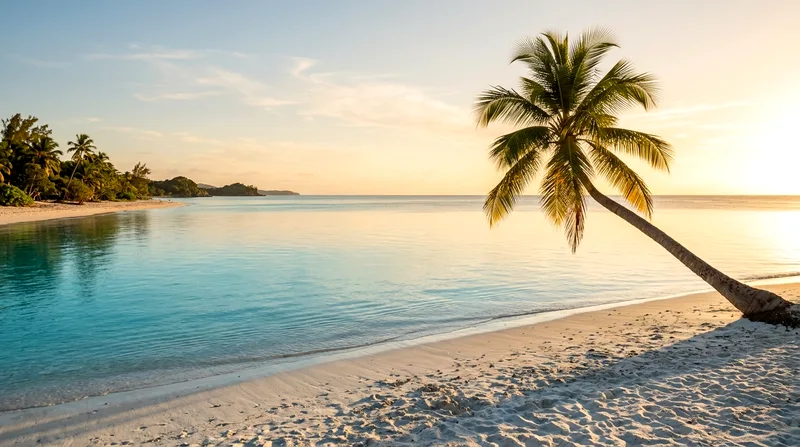
This is where the two islands diverge most sharply. Aruba's Eagle Beach and Palm Beach are wide, white, and calm almost every day of the year — there's a reason Aruba markets itself as having almost no rain and almost no rough surf. Barbados can't make that claim across the board, because its coastline actually changes character depending on which side you're standing on.
West Coast Calm vs Atlantic Surf
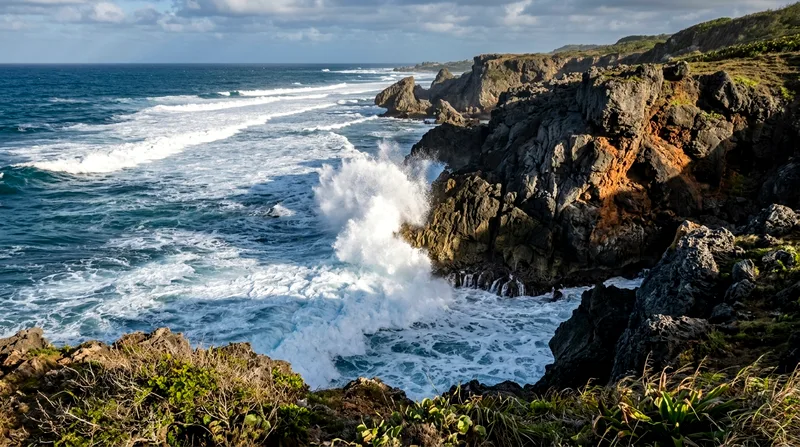
Barbados's west coast — Holetown, Paynes Bay, Mullins Beach — gives you the same flat, swimmable water Aruba is known for, just with more vegetation and coral reef close to shore. Drive 30-40 minutes to the east coast around Bathsheba and you get something Aruba simply doesn't have: big Atlantic swell, dramatic rock formations, and surf that draws international competitors. That variety is a genuine advantage if you like to mix lounging with a dramatic coastal drive. It's also a caution: swimming on the east coast of Barbados is dangerous in several spots due to rip currents, so stick to lifeguarded areas or the calmer south and west coasts for swimming.
Water Sports, Nature and Nightlife
Aruba edges ahead on windsurfing and kitesurfing — its steady trade winds at Fisherman's Huts and Boca Grandi are considered among the best in the Caribbean for the sport. Barbados counters with better snorkeling and wreck diving around the west coast, plus swimming with sea turtles off Carlisle Bay, a widely available boat excursion. For nightlife, Barbados's St. Lawrence Gap has more bars, live music and late-night food than Aruba's main strip, though Aruba's Palm Beach area has a bigger concentration of casinos if that's your scene. Neither island rivals somewhere like Jamaica for sheer nightlife density, and if clubbing is the priority, both will feel comparatively quiet.
Culture, Food and Atmosphere
Culturally these islands come from different colonial histories, and it shows in daily life, language and food. Barbados was a British colony until 1966 and still carries that imprint — cricket, afternoon tea traditions alongside rum shops, English as the sole official language. Aruba is part of the Kingdom of the Netherlands, with Dutch and Papiamento spoken alongside English and Spanish, and a visibly Dutch Caribbean architecture in Oranjestad's pastel buildings.
Bajan Heritage vs Dutch Caribbean Blend
Barbados has a stronger sense of a single national identity — Bajan culture is distinct, proud, and visible in everything from the Crop Over festival to the rum tradition at Mount Gay, one of the oldest rum producers in the world. Aruba's culture is more of a blend, shaped by its ties to the Netherlands and its closeness to Venezuela and Curaçao, giving it a cosmopolitan, multilingual feel rather than one dominant local identity. If you want an island that feels like "one place with deep roots," Barbados delivers that more clearly. If you like the mix of European polish and Caribbean setting, Aruba's blend is part of the appeal.
Local Dishes and Dining Scene
Barbados has the edge on food, and it's not close. Cou-cou and flying fish — the national dish — plus macaroni pie, fish cakes and rum-based cocktails give Barbados a genuinely distinct cuisine, best sampled at Oistins fish fry on a Friday night rather than a resort buffet. Aruba's dining leans more international, with strong Dutch and South American influences and good seafood, but it doesn't have a single dish as emblematic as Barbados's flying fish. For travelers who plan trips around food, Barbados is the more rewarding island; Aruba is fine but less memorable on this front.
Weather Risk and Best Time to Visit
This is the category that most decisively favors Aruba, and it's worth being honest about it rather than glossing over it.
Hurricane Season Exposure and Dry Climate
Aruba sits outside the main Atlantic hurricane belt, making direct hits rare — it's one of the reasons it's marketed as a year-round destination. Barbados sits further north and east and does fall within the hurricane season window, roughly June through November, though direct hits are still relatively infrequent compared with islands like the Bahamas or Jamaica. Rainfall patterns reinforce the gap: Aruba's dry, cactus-dotted landscape gets a fraction of the rain Barbados does, so afternoon showers are rare there but a normal feature of a Barbados trip, especially outside the December-to-April dry season.
Peak vs Off-Season Trade-Offs
Both islands peak from mid-December through April, when prices climb and resorts fill up. Barbados's shoulder season (May-June, November) can bring real savings with decent weather, but July through October carries higher storm risk and should come with travel insurance. Aruba's off-season is lower-risk by comparison — prices drop a bit but the weather stays fairly consistent, which is exactly why risk-averse travelers lean toward it for last-minute or off-peak bookings.
Cost Level and Practicalities
Neither island is a budget Caribbean destination — if cost is your main driver, places like Jamaica or the Dominican Republic undercut both. The real question readers ask is "is Barbados or Aruba cheaper," and the honest answer is: it depends what you're buying.
Relative Cost of Stays, Dining and Activities
Aruba's resort zone along Palm Beach is dense with large all-inclusive properties, which can make per-day costs predictable but rarely cheap. Barbados has fewer mega-resorts and more independent hotels and villas, especially on the west coast, which gives more price range but requires more comparison shopping. Dining out in Barbados's local spots — fish fry stalls, rum shops — can be noticeably cheaper than Aruba's more tourist-oriented restaurant strip, while high-end dining on both islands runs similarly high. Car rental, excursions and water sports come in at broadly comparable rates on both islands, so the biggest cost lever is usually accommodation type rather than the destination itself.
Getting Around, Safety and Entry Basics
Both islands are considered safe for tourists by regional standards, with petty theft the main concern rather than violent crime — standard precautions apply, as they would in Aruba's resort strip or Barbados's Gap area at night. Entry requirements are straightforward for most US, UK and EU passport holders: no visa for short stays, just a valid passport and, depending on current rules, an online arrival form completed before travel — check specific requirements for your nationality before booking. Getting around Barbados generally means renting a car or using reliable route taxis, since the island's bus network, while functional, isn't built around tourist schedules. Aruba is easier to navigate with a rental car thanks to better-maintained main roads and a more compact tourist corridor along the west coast.
Who Should Pick Which Island?
By this point the pattern should be clear: Aruba for consistency, Barbados for range. But traveler type changes the calculation more than you'd expect.
Couples, Families and Adventurers
Couples wanting a quiet, predictable beach week with minimal planning should lean Aruba — Eagle Beach at sunset is hard to beat and the compact tourist strip means less driving. Families with young children benefit from Aruba's calm water nearly everywhere, reducing the stress of watching kids in the sea; Barbados works well for families too, but you'll want to stick deliberately to the west and south coasts. Adventurous travelers and anyone who gets bored lounging by day three should pick Barbados — the east coast surf, the rum tours, the hiking in the Scotland District, and the live music scene give you more to structure a week around. Senior travelers often prefer Aruba for its flatter terrain and fewer rainy-day disruptions, though Barbados's gentler pace outside peak season suits slower travel just as well.
Verdict and a Note on Barbados vs Bahamas
If you want the short version: choose Aruba for guaranteed sun, calm water and a simple, low-decision-fatigue trip. Choose Barbados if food, music, rum and a varied coastline matter more to you than weather certainty. Worth noting for readers comparing further afield — Barbados vs Bahamas is a different comparison altogether; the Bahamas sits much closer to Florida, has far more islands to island-hop between, and carries a higher hurricane exposure than either Barbados or Aruba, so it suits a different kind of multi-stop trip rather than a single-base week. Against Aruba specifically, Barbados remains the better pick for anyone who wants their beach trip to double as a cultural one.
Frequently asked questions
Is it cheaper to go to Aruba or Barbados?
Neither island is budget-friendly by Caribbean standards, but daily costs often come out similar once accommodation type is matched. Barbados can be cheaper for local food and independent hotels, while Aruba's all-inclusive resorts offer more predictable, bundled pricing. Compare current flight and hotel prices for your specific dates before booking, since fare differences often matter more than the island itself.
Which island has better beaches, Aruba or Barbados?
Aruba has more consistently calm, white-sand beaches across nearly its whole coastline, like Eagle Beach and Palm Beach. Barbados offers calm west coast beaches that rival Aruba's, plus dramatic, surfable Atlantic coastline on the east that Aruba doesn't have. If you want guaranteed calm water every day, Aruba wins; if you want variety, Barbados does.
Is Aruba or Barbados safer for tourists?
Both are considered relatively safe compared with regional averages, with petty theft rather than violent crime the main concern on each. Aruba's lower hurricane risk also makes it marginally safer from a weather-disruption standpoint. Standard precautions — secure valuables, use licensed taxis, avoid isolated areas at night — apply equally on both islands.
What is the best time to visit Aruba or Barbados?
Both peak from mid-December through April with the best weather and highest prices. Aruba is reasonably good year-round due to low rainfall and minimal hurricane risk. Barbados is best visited outside the June-to-November hurricane season, or in the shoulder months of May and November for lower prices with acceptable weather.
Is Barbados worth visiting compared with Aruba?
Yes, particularly if you want more than a beach — Barbados offers stronger food, rum and music culture, plus a more varied coastline with both calm and surf conditions. Aruba is worth visiting if predictable weather and calm water are your top priority. Neither is objectively "better"; they suit different trip goals.