Find the best time to visit Barbados with a month-by-month guide to weather, hurricane season, crowds, events and prices, plus tips for UK travellers.
Barbados Seasons at a Glance
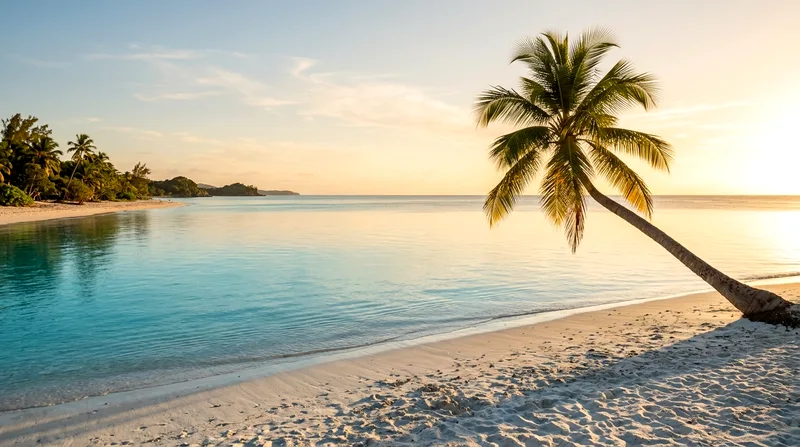
Everyone planning a trip asks the same question first: when is the Barbados best time to visit? The short answer is December through mid-April, when rainfall drops off, humidity eases, and the island settles into the sunny, breezy weather that shows up in every brochure photo. But that quick answer hides a lot of nuance worth understanding before you book flights.
Barbados sits at the eastern edge of the Caribbean, further out in the Atlantic than islands like St. Lucia or Grenada, which gives it a slightly drier, breezier climate than its neighbours. It only really has two seasons — a dry season and a wet season — rather than four, and the difference between them is more about rainfall patterns and humidity than dramatic temperature swings. Daytime highs barely move throughout the year, hovering in the high 20s to low 30s Celsius (roughly 80-87°F), so packing for Barbados in July looks much the same as packing for January.
Where the seasons really diverge is in how busy the island feels and what you pay for a room. December to April is peak season, prices climb, and popular restaurants in Holetown or along the south coast fill up. The rest of the year is quieter, cheaper, and only occasionally interrupted by a tropical downpour that usually clears within the hour.
Dry season vs wet season
The dry season runs roughly from mid-December to May, with the Barbados Meteorological Services generally recording the lowest rainfall totals in February and March. Humidity drops, the trade winds pick up, and you can reasonably plan a week outdoors without a backup rainy-day itinerary. The wet season covers June to November, overlapping with the Atlantic hurricane season, and brings short, heavy showers — often in the late afternoon — rather than all-day grey skies. Don't assume wet season means miserable; most days still have five or six hours of sunshine, just with higher humidity and a greater chance of a sudden squall rolling through.
Quick answer: best month to visit
If you want the single best month, it's February. Rainfall is at its lowest, humidity is manageable, and the island hasn't yet hit the Easter crowd surge that pushes into April. March runs a close second. If budget matters more than guaranteed sunshine, aim for late May or November instead — you'll get warm sea temperatures around 27-28°C and noticeably lower hotel rates, with a reasonable, not high, chance of rain.
Barbados Weather by Month
Barbados weather by month follows a fairly predictable rhythm, and once you understand the pattern, picking dates gets much easier. Air temperature barely changes across the calendar — expect 24-31°C most months — so the real variables are rainfall, humidity and wind.
December to May
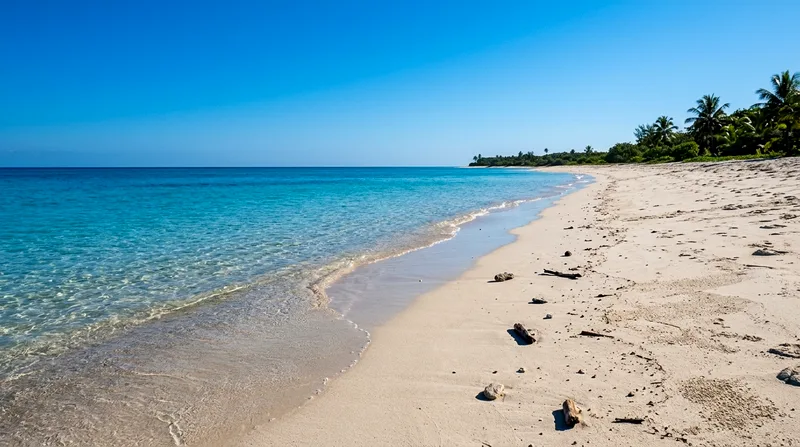
This stretch is the dry season and the busiest tourist window. December starts warm and relatively dry, though the first half can still carry some wet-season leftovers. January and February are the driest months of the year, with the Barbados Meteorological Services typically logging under 60mm of rain across the whole month in Bridgetown and the west coast. March holds similarly dry conditions with slightly rising temperatures. April is still dry but noticeably busier around Easter, and by May the first wet-season showers start creeping back in, though most days remain sunny with just a brief afternoon shower. Sea temperatures across this period sit around 26-27°C — comfortable for swimming and diving without a wetsuit.
June to November
June through November is the wet season, and it's also Atlantic hurricane season, though the two aren't identical in risk. Rainfall increases steadily, peaking around September and October, when some months average 150-180mm. Showers tend to be intense but brief — think 20 minutes of heavy rain followed by sun — rather than days of continuous drizzle. Humidity is higher, which makes the air feel stickier even though the thermometer reads about the same as January. Sea temperatures actually climb slightly in this period, reaching 28-29°C, which is one reason divers and snorkellers don't write off the summer months entirely. November is a useful transition month: rainfall starts tapering off, hurricane risk drops sharply after early November, and prices haven't yet climbed to peak-season levels.
Barbados Hurricane Season Explained
The Atlantic hurricane season officially runs from 1 June to 30 November, and Barbados sits within that zone, so the question of safety comes up constantly from first-time visitors. The honest answer: Barbados is statistically less exposed than islands further north and west, such as the Bahamas or Turks and Caicos, because of its position at the southeastern edge of the Caribbean basin. Direct hits are uncommon — the island has gone long stretches, sometimes a decade or more, without a direct major hurricane strike — though tropical storms and the occasional near-miss do bring heavy rain and rough surf.
Dates and realistic risk
Peak hurricane activity across the wider Atlantic basin falls between mid-August and mid-October, so if you're nervous about storm risk, this is the window to treat with the most caution — not necessarily avoid entirely. Barbados's location means many storms that form in this period track north of the island or intensify only after passing it, but you should still check the Barbados Meteorological Services' updates if travelling during these months. Compare this to Jamaica or the Bahamas, which lie more squarely in typical storm paths; Barbados isn't risk-free, but it's a notch safer on paper.
Travel insurance and booking flexibility
If you book June through November, buy travel insurance that explicitly covers hurricane disruption and named-storm cancellations — standard policies sometimes exclude weather events once a storm has already been named. Look for flexible or refundable flight and hotel rates during these months; many Caribbean hotels offer "hurricane guarantee" policies letting you rebook free of charge if a storm is declared, so ask before paying a deposit. Don't assume you can buy this cover once a storm is already forecast — most insurers stop issuing new weather-related cover once a named system is active.
Events, Crowds and Prices by Season
Prices in Barbados swing more with the calendar than many travellers expect, and events play a real role in when rooms fill up fastest.
December to April brings the driest weather and highest prices, while September offers the lowest rainfall-adjusted costs but the greatest hurricane-season risk.
Barbados best time to visit by month: weather, crowds and price level
| Period | Rainfall | Sea Temp (°C) | Crowds | Price Level |
|---|---|---|---|---|
| Jan-Mar | Low | 26-27 | High | Peak |
| Apr-May | Low-Medium | 27 | Medium-High | Shoulder |
| Jun-Jul | Medium | 27-28 | Medium (Crop Over spike) | Shoulder-Peak |
| Aug-Sep | High | 28-29 | Low | Lowest |
| Oct-Nov | Medium-High | 28 | Low-Medium | Low-Shoulder |
| Dec | Low-Medium | 27 | Rising fast | Peak |
Figures are typical seasonal averages, not guarantees for any specific trip; always check short-range forecasts closer to travel.
Festivals and events calendar
The Holetown Festival, usually held in February, marks the founding of the island's first English settlement with street parades, music and local food stalls around the Holetown area — a good excuse to base yourself on the west coast that week. The Barbados Food and Rum Festival typically runs in October, pulling in chefs and rum producers for tastings and dinners around Bridgetown and the south coast; it's smaller and easier to attend without booking months ahead compared to peak-season events. The biggest date on the calendar is Crop Over, the island's major cultural festival, which builds through June and July and culminates around the first Monday in August with the Grand Kadooment parade — expect costumed bands, soca music and a genuinely packed atmosphere in Bridgetown. Event dates shift from year to year, so check the current calendar from Barbados Tourism Marketing Inc. before locking in flights.
Peak, shoulder and low season costs
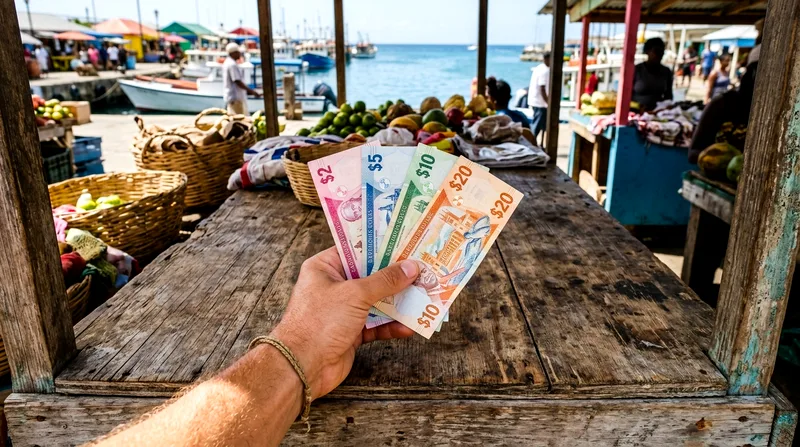
Mid-December through mid-April is peak season — flights and hotel rooms both sit at their highest rates, and popular south and west coast properties often require minimum stays around Christmas and New Year. Shoulder season, roughly late April to early June and November, offers a reasonable middle ground: dry-season-adjacent weather with noticeably better value. The cheapest time to visit Barbados is typically September, sitting deep in the wet season with lower demand and the highest rainfall totals — hotels frequently drop rates significantly, and some close for refurbishment, so check what's actually open before booking. If pure savings matter most, September through early November is hard to beat, as long as you've sorted flexible insurance.
Best Time to Visit from the UK
For a Barbados best time to visit from UK perspective, the calculation is a little different than for North American travellers, mostly because of flight distance and the appeal of escaping a grey British winter.
Escaping winter and flight considerations
Direct flights from London (mainly Gatwick and Heathrow) to Grantley Adams International Airport take around 8.5 to 9 hours, and this route sees heavier demand — and higher fares — from late November through early January as UK travellers chase winter sun. If you're flexible, flying in late January or February after the Christmas rush but before the February half-term holidays often gets you dry-season weather without the absolute peak fare. Compare that with flying to Antigua or St. Lucia, which have similar flight times from the UK — Barbados doesn't have a major time or cost advantage over those islands, so weather and personal preference should drive the choice more than logistics.
Time zone and seasonal tips
Barbados runs on Atlantic Standard Time, which is four hours behind the UK in winter and five hours behind during British Summer Time — a manageable jet lag compared to destinations in Asia or the Pacific. UK school holidays (Christmas, February half-term, Easter) overlap almost exactly with Barbados's peak season, so if you're not tied to term dates, shifting a trip to late April, May or November avoids both UK half-term pricing and Barbados peak-season rates at once — a double saving worth planning around.
Best Time by Traveller Type
There isn't one single best month for everyone — it depends on what you're actually going to do once you land.
Beach, diving and water sports
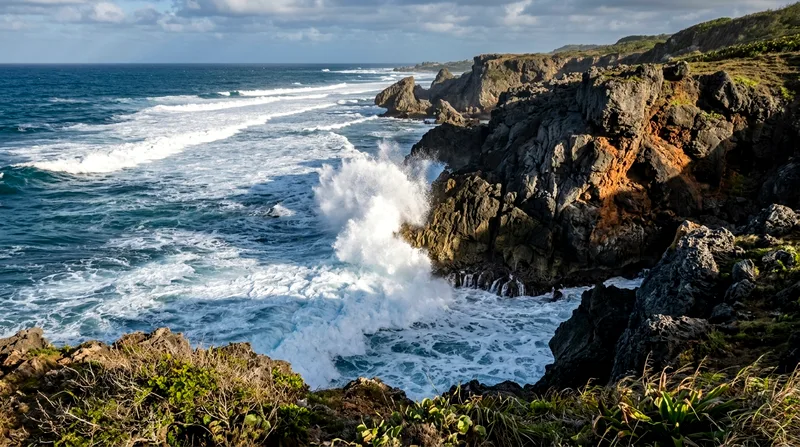
Divers and snorkellers get the clearest water and calmest seas from February to May, when wind and swell on the west coast especially drop off — this is prime time to book a catamaran trip along the calm Caribbean side rather than the rougher Atlantic-facing east coast. Surfers want the opposite: the east coast near Bathsheba picks up bigger, more consistent swells from September through November. If snorkelling with turtles is the goal, water clarity holds up well nearly year-round on the west coast, so this is one activity where timing matters less than choosing the right bay.
Budget travellers and honeymooners
Budget travellers should target September or early October, accepting a higher rain chance in exchange for meaningfully lower hotel rates and quieter beaches. Honeymooners chasing a balance of good weather and slightly calmer crowds than peak Christmas season do well in late April or the first half of May — ceremonies and dinners are easier to book without the New Year rush, and hotels often have more availability for upgraded rooms. Avoid early August if you want a quiet, intimate trip — Crop Over's final week brings loud, lively energy that's fantastic for festival-goers but the opposite of what most honeymooners want.
Frequently asked questions
What month is the best time to visit Barbados?
February is generally the best single month — it has the lowest rainfall of the year, comfortable humidity, and sits just before the busiest Easter crowds. March is a close alternative with very similar conditions and slightly fewer crowds than peak Christmas-New Year weeks.
When is hurricane season in Barbados and is it safe to travel?
The Atlantic hurricane season runs from 1 June to 30 November, with peak activity mid-August to mid-October. Barbados sits further east and south than many Caribbean islands and rarely takes a direct hit, but travel is only sensible with flexible bookings and insurance that covers named-storm disruption.
What is the cheapest time to visit Barbados?
September is typically the cheapest month, followed by August and parts of October. Rainfall is at its highest and some hotels close for maintenance, so confirm which properties are open and check your insurance covers weather disruption before booking.
When is the best time to visit Barbados from the UK?
Late January through March offers dry-season weather with slightly lower fares than the December-New Year peak. If avoiding UK school holiday pricing matters more than guaranteed sunshine, late April, May or November give good value on both flights and hotels.
What is the rainy season in Barbados?
The rainy season runs roughly June to November, peaking around September and October with brief, heavy afternoon showers rather than continuous rain. Most days still see several hours of sunshine, and sea temperatures are actually at their warmest during this period.