Barbados prices explained: sample daily budgets for backpackers, mid-range and luxury trips, currency tips, and smart ways to save on tours and activities.
Where Your Barbados Money Goes
Barbados prices run higher than Jamaica or the Dominican Republic but land roughly in line with Aruba and a notch below St. Barts or the pricier corners of the Bahamas. The island imports most of what it sells — fuel, cars, packaged food, building materials — and that shows up in everything from a rental car to a bottle of sunscreen. Accommodation and transport are usually the two biggest line items, not food, which surprises a lot of first-time visitors who braced for expensive restaurants and got hit instead by a US$70-a-day car rental.
What you spend depends heavily on where you sleep and whether you cook. A studio apartment with a kitchenette in Hastings or Worthing can cut your food bill by half compared to eating out three times a day in St. Lawrence Gap. All-inclusive resorts simplify budgeting — you know the number upfront — but they lock you out of the cheaper local eateries that are genuinely part of the experience: fish cutters from a van, a Friday night fish fry in Oistins, rum shop snacks that cost a few Barbados dollars.
I'd avoid assuming a Barbados trip has to mirror Jamaica's backpacker-friendly pricing — it doesn't, and expecting that is where people blow their budget in the first three days. Taxis are unmetered and negotiated upfront, which means a short hop from Grantley Adams airport to the south coast can run US$25–35 depending on your haggling and the driver. That single ride can be 10% of a budget traveler's daily allowance.
A couple's daily Barbados budget can range from under US$100 to well over US$1,000 depending mainly on accommodation choice and whether meals are self-catered.
Barbados daily budget comparison by traveler type
| Traveler Type | Daily Budget (USD, per person) | Typical Stay | Food Approach | Local Transport |
|---|---|---|---|---|
| Backpacker/Budget | US$70–100 | Guesthouse or hostel | Mostly self-catered, some rum shops | Public bus/ZR van |
| Mid-range | US$90–140 | 3-star hotel or apartment | Mix of cooking and dining out | Rental car part-time, some taxis |
| Luxury | US$300–600+ | West coast resort or villa | Resort dining, fine dining out | Private transfers, rental car |
Figures are approximate and exclude international flights; check current accommodation and tour prices before booking.
Sample daily budgets by traveler type
A backpacker or budget traveler sharing a guesthouse room, cooking some meals, and using the reliable (and cheap) ZR vans or public buses can realistically do Barbados on US$70–100 a day, excluding flights. That covers a modest room, groceries plus the odd rum shop meal, bus fares (around B$3.50 per ride, roughly US$1.75), and a free beach day.
Mid-range travelers — a couple in a one-bedroom apartment or a 3-star hotel, renting a car for part of the trip, eating out for dinner most nights — should budget US$180–280 per day for two people. That's in line with what Numbeo's crowd-sourced cost data suggests for a comfortable but not extravagant Caribbean stay, and it tracks closely with what you'd pay in St. Lucia or Antigua for similar comfort.
Luxury travelers booking a west coast villa or a 5-star all-inclusive, private transfers, and higher-end dining can easily spend US$600–1,200+ per day for two. Barbados has some of the most expensive beachfront real estate in the Caribbean along the Platinum Coast near Holetown, and resort pricing there reflects it — often above comparable luxury properties in Grenada or Turks and Caicos.
Regional price differences across the island
The west coast (Holetown, Speightstown) is the expensive end of the island — calm water, big resorts, higher restaurant prices. The south coast (St. Lawrence Gap, Hastings, Worthing) is where mid-range and budget travelers tend to land: more guesthouses, more independent restaurants, livelier nightlife, and noticeably cheaper taxis into Bridgetown. The east coast (Bathsheba area) is the cheapest to sleep on but has the fewest amenities and rougher Atlantic swimming conditions, so it suits travelers with a rental car more than those relying on buses.
If you're trying to stretch a budget, base yourself south rather than west. You'll pay less for a comparable room and you're still a 15–20 minute drive or bus ride from Bridgetown and the airport.
Barbados Currency and Exchange Tips
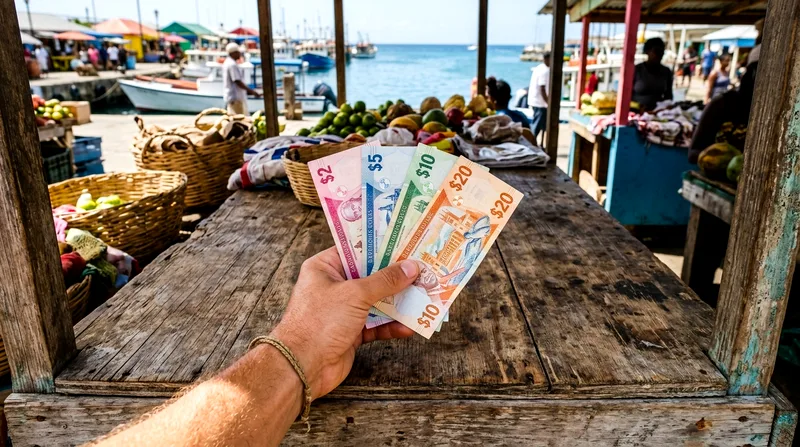
The local currency is the Barbados Dollar (B$), and it's been pegged to the US dollar for decades at a fixed rate of roughly B$2 to US$1. That peg is a genuine convenience — it means prices quoted in Barbados dollars convert in your head instantly, and it hasn't fluctuated the way floating currencies do. Most tourist-facing businesses — hotels, tour operators, car rentals, larger restaurants — quote and accept US dollars directly, so you don't strictly need to convert cash at all for a short trip.
Barbados dollar to USD and other currencies
Because the Barbados dollar is pegged near B$2:US$1, budgeting math is simple: something priced at B$50 is about US$25. If you're coming from Canada or the UK, don't expect local businesses to quote CAD or GBP — convert through USD mentally (check the current USD/CAD or USD/GBP rate before you go, since that part does float) and carry a card that doesn't charge foreign transaction fees. European travelers using euros should do the same two-step conversion rather than assuming a direct euro rate, since nothing here is priced against the euro.
Cards, cash and avoiding fees
Visa and Mastercard are widely accepted at hotels, restaurants, and larger shops; smaller rum shops, van drivers, and craft vendors often want cash, ideally small Barbados dollar notes. ATMs are common in Bridgetown and the main tourist strips and typically dispense Barbados dollars. Using a service like Wise for a travel card, or a no-foreign-fee debit card from home, saves the 3%+ that traditional bank cards often charge on every swipe. Avoid the dynamic currency conversion trick some card machines offer ("pay in your home currency instead?") — always choose to be charged in Barbados dollars, since the merchant's conversion rate is reliably worse than your card network's.
Legitimate Ways to Save on Activities
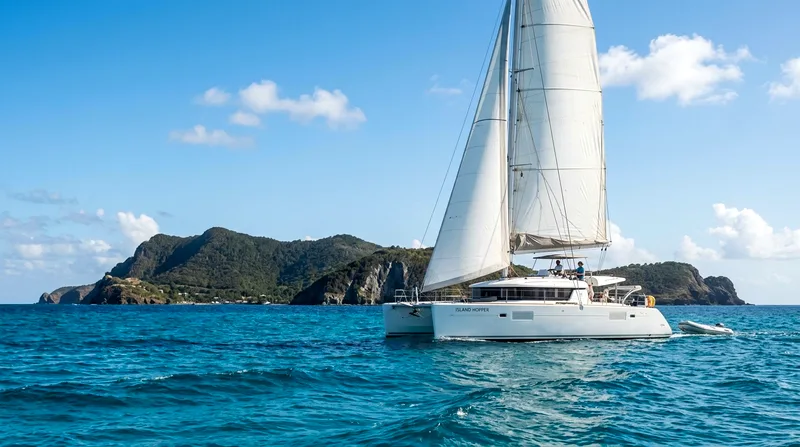
Barbados tours and activities cost more on average than in Jamaica, but there's real room to save without resorting to anything sketchy. Snorkeling trips to swim with turtles off the west coast, catamaran cruises, and rum distillery tours are the big-ticket activities, and prices vary a lot depending on group size, boat type, and whether lunch and drinks are included. A shared catamaran snorkel trip is typically a fraction of the cost of a private charter for the same stretch of coastline — and you'll see the same turtles either way.
Timing, seasons and booking early
The cheapest time to visit Barbados is the off-season — roughly June through November, outside of the July/August travel bump — when hotel rates can drop 20–40% compared to the December–April high season. This overlaps with the Atlantic hurricane season, which is a real trade-off: storms rarely hit Barbados directly thanks to its position at the southeastern edge of the Caribbean chain, but rain and swell increase, and some tour operators reduce schedules. If you can tolerate that risk, late spring (May) and late autumn (November) often give you shoulder-season pricing with better weather odds than peak hurricane months.
Booking flights and accommodation several weeks ahead rather than last-minute generally beats walk-up pricing, especially around Crop Over (the summer festival season) and the Christmas–New Year stretch, when both flights and villas fill up and prices climb. Comparing flight and hotel prices across Expedia and Kayak before committing is worth the 20 minutes it takes — fares to Barbados can vary more between booking sites than people expect, partly because fewer airlines serve the island compared to hubs like Jamaica or the Bahamas.
Passes, combo tours and free options
There's no island-wide attraction pass in Barbados the way some destinations offer, but combo tours — pairing a catamaran trip with snorkeling and a rum punch lunch, for instance — are usually cheaper per activity than booking each piece separately. Harrison's Cave, the Animal Flower Cave, and the Barbados Wildlife Reserve are the main paid attractions; none of them are free, but none are outrageously priced either, and booking directly or through a reputable aggregator ahead of arrival often beats paying at the gate.
The genuinely free stuff is underrated: every beach in Barbados is public by law up to the high water mark, even the ones fronting five-star resorts, so you can walk onto a Platinum Coast beach without paying resort prices for the privilege. Bridgetown's Garrison Historic Area and the Barbados National Trust's occasional open days cost little or nothing. Always compare current prices and inclusions when booking tours and activities — what's bundled into a snorkel trip changes operator to operator.
What Not to Skimp On
Cutting corners on transport is the most common budget mistake. The bus and ZR van network is cheap and genuinely useful for getting along the south and west coasts, but it doesn't cover the east coast or late-night routes well. Trying to rely on it entirely for a trip that includes Bathsheba or a sunset dinner in Speightstown usually means an expensive last-minute taxi anyway — so budget for at least a few days of rental car or arranged transfers rather than pretending you'll wing it.
Don't skimp on reef-safe sunscreen and basic travel insurance either. Barbados's hospitals are decent by regional standards, but a visit or evacuation without insurance gets expensive fast, and reef damage from regular sunscreen is a real, documented issue around the island's snorkel sites — some operators will actually ask what you're wearing before you get in the water.
Safety, insurance and reputable operators
Water sports and boat tours are where it's worth paying a bit more for a licensed, well-reviewed operator rather than the cheapest option on the beach. Ask whether a snorkel or catamaran operator carries liability insurance and whether their boat is registered — legitimate operators won't hesitate to answer. The same logic applies to car rentals: Barbados requires visitors to buy a local driving permit (a small fee, arranged through the rental agency or police station, valid for the length of your stay), and driving is on the left, which catches out a lot of North American and European visitors in the first hour. Skipping proper insurance on a rental car to save a few dollars a day is a bad trade if you clip a wall on one of the island's narrow coral-stone roads, which happens often enough that rental agencies expect it.
Barbados Booking Checklist
Think of a Barbados trip budget in three decisions made in order: where you stay, how you get around, and how many meals you cook versus buy. Get those three right and the rest — activities, incidentals, souvenirs — is easy to control because it's discretionary by nature.
Before you book and before you go
Before booking, compare at least two accommodation types — a self-catering apartment in Hastings versus an all-inclusive on the west coast — for the same dates, and price out meals separately for the self-catering option to see which actually wins for your group size. Check whether your chosen dates fall in Crop Over (July–August) or the Christmas peak, both of which push prices up across flights, hotels, and even taxis.
Before you go, order a small amount of Barbados dollars or confirm your card has no foreign transaction fee, download an offline map of the bus routes, and check current prices for any catamaran, snorkel, or distillery tour you want — availability tightens in high season and last-minute bookings on arrival sometimes cost more than booking a week ahead. Pack reef-safe sunscreen, since it's pricier and less widely stocked locally than you'd expect for an island this geared toward tourism.
Frequently asked questions
Is Barbados expensive to visit?
Yes, relative to much of the Caribbean — Barbados prices sit above Jamaica and the Dominican Republic, similar to Aruba, and below ultra-luxury islands like St. Barts. The expense is concentrated in accommodation, rental cars, and imported goods, not necessarily in local food, so a budget traveler who eats local and uses buses can keep costs reasonable.
What is the average daily budget for Barbados?
Budget travelers can manage on roughly US$70–100 a day, mid-range travelers typically spend US$90–140 per person daily, and luxury travelers often spend US$300–600 or more per person per day. These figures exclude international flights and vary with season and accommodation choice.
When is the cheapest time to visit Barbados?
Roughly June through November, outside the July–August Crop Over festival period, when hotel rates often drop 20–40% from winter peak pricing. This overlaps with Atlantic hurricane season, so weigh the savings against a higher chance of rain and tour disruptions.
What is the Barbados dollar to USD exchange rate?
The Barbados Dollar (B$) has long been pegged at roughly B$2 to US$1, making conversion simple. Most tourist businesses accept US dollars directly, though you'll get local change in Barbados dollars, so carrying some small local notes is useful for buses, rum shops, and markets.
How much does a two-week trip to Barbados cost?
For two people, a budget two-week trip runs roughly US$2,000–2,800 excluding flights; mid-range trips land around US$2,500–3,900; luxury trips can exceed US$8,000–16,800. Flights add a separate US$600–1,500+ per person depending on origin and season, so compare fares on sites like Expedia or Kayak well ahead of travel.