Barbados Food Prices: How to Eat Well on a Budget
Barbados prices food guide: see where your dining money goes, how to save with lunch specials, fish fries and food tours, and what's worth paying for.
9 min read · 20 Oct 2026
Tours & activities
Compare Barbados rum tours, from distillery visits to tastings and food pairings. Learn what each type includes and what to check before booking.
Barbados has a reasonable claim to being the birthplace of rum — the island's sugar plantations and distilling records date to the 1640s, making it one of the earliest places in the world to industrialize rum production. That history is exactly why Barbados rum tours range so widely in format, from a 45-minute tasting at a hotel bar to a half-day estate visit with lunch included. The right choice depends less on budget and more on what you actually want from the day: production detail, history, a few good cocktails, or all three.
If you only have time for one activity, match it to your travel style rather than picking whatever ranks highest on TripAdvisor. A rushed one-hour tasting squeezed between beach time will feel thin if you're genuinely curious about how rum is made. Conversely, a three-hour working distillery tour is wasted on someone who just wants a relaxed drink with a view.
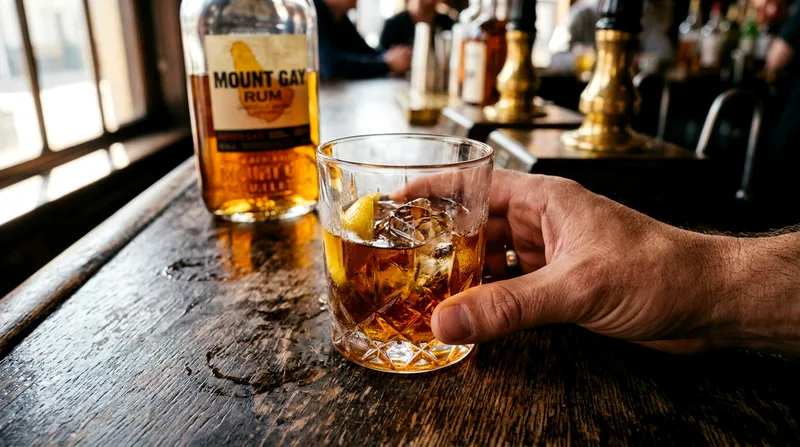
If this is your first rum tour anywhere, start at a heritage estate rather than a modern production facility. St. Nicholas Abbey, a Jacobean-era great house dating to around 1658, combines a rum distillery with a preserved plantation home, antique steam-powered mill and gardens — you get context before you get a glass in hand. These tours typically run 60 to 90 minutes and include a tasting at the end, which suits travelers who want the "why" before the "how." History lovers should also budget time for Mount Gay's visitor centre near Bridgetown, which leans on its claim as the world's oldest commercial rum brand, with records dating to 1703.
Couples and small groups tend to get more out of tasting-format tours that combine rum with food, rather than a straight production tour. These run shorter — often 90 minutes to two hours — and are built around sampling several rum styles alongside small bites like fish cakes or pepper sauce-glazed skewers. Food-focused travelers should specifically look for tours that stop at a rum shop or combine a distillery visit with a local lunch, since the pairing is where Barbados rum actually makes sense as a cultural product, not just a souvenir bottle.
Rum tours on Barbados fall into a handful of recognizable categories, and conflating them is the most common booking mistake. A "distillery tour" and a "rum tasting" are often sold as the same product by resellers, but they're not — one walks you through fermentation, distillation and aging, the other hands you a flight of glasses with minimal process explanation. Read the listing description carefully, not just the title, on platforms like GetYourGuide or operator booking pages run through systems like Rezgo.
Distillery tours focus on production and run longest, while tastings are shorter and more social — pick based on whether you want process or just the glass.
Barbados rum tour types compared: format, length and who they suit
| Tour Type | Typical Length | What's Included | Best For |
|---|---|---|---|
| Working distillery tour | 2–3 hours | Production walk-through, barrel warehouse, tasting flight | History lovers, first-timers |
| Heritage estate tour | 1–1.5 hours | Great house, grounds, shorter production stop, tasting | Couples, history lovers |
| Rum tasting only | 45–90 minutes | 3–6 rum samples, light snacks, bartender-led | Short on time, casual drinkers |
| Food and rum pairing | 1.5–2 hours | Tasting plus Bajan food plates or rum shop stop | Food-focused travelers |
| Private guided tour | 2–4 hours | Hotel pickup, flexible pace, multiple stops possible | Couples, small groups, special occasions |
| Group minibus tour | 2–4 hours | Fixed itinerary, shared transport, standard tasting | Budget-conscious travelers, solo travelers |
Typical figures based on common tour formats; confirm exact duration and inclusions with the operator before booking.
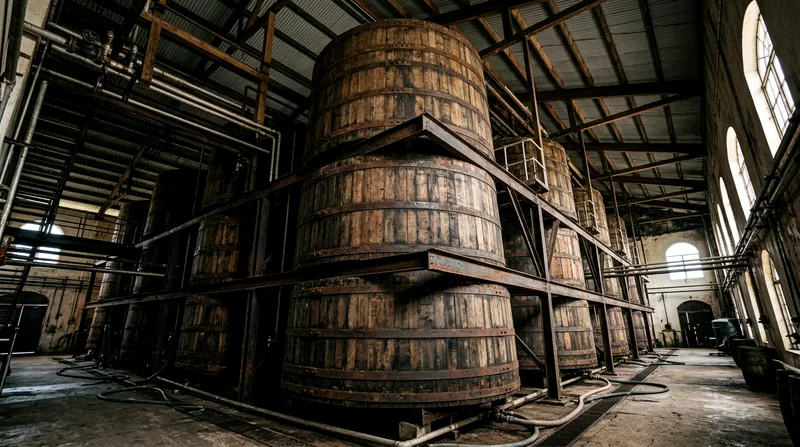
A genuine distillery tour takes you through the working site — fermentation tanks, copper pot or column stills, and barrel warehouses — with a guide explaining molasses sourcing, fermentation time and aging requirements. Expect two to three hours including a tasting at the end. A tasting experience, by contrast, is primarily about the glass: usually three to six rum expressions, sometimes with simple snacks, run by a bartender or brand ambassador rather than a distillery guide. Tastings run 45 minutes to 90 minutes and suit anyone short on time or not particularly interested in machinery. If you want both, a handful of estates like Foursquare Rum Distillery and Heritage Park combine a shorter production walk-through with a more substantial tasting at the end — worth checking the itinerary before you book either type separately.
Group tours, typically 10 to 25 people on a minibus circuit, cost less per person and are the standard booking through Visit Barbados-listed operators and major platforms. Private tours cost noticeably more but let you set the pace, skip the parts you don't care about, and often include door-to-door hotel pickup — useful if you're staying somewhere like Sugar Bay Barbados on the south coast and don't want a long transfer eating into tasting time. Self-guided visits exist at a few sites, mainly Mount Gay's visitor centre, where you can walk through exhibits at your own pace before joining a scheduled tasting slot. I'd avoid fully self-guided rum touring if you're new to the spirit — the context a guide gives about aging and blending is most of the value.
Barbados has a small number of named sites that anchor nearly every rum tour itinerary, and it's worth knowing what separates them before choosing where to spend your time.
St. Nicholas Abbey in the parish of St. Peter is the clearest example of rum tied to plantation history — the great house predates most rum-specific tourism on the island, and its small-batch distillery produces from cane grown on the estate itself, a detail worth asking about since most Barbados rum actually uses imported molasses. Foursquare Rum Distillery in St. Philip, meanwhile, is a working production facility rather than a preserved estate, and its tours lean harder into the technical side: fermentation tanks, pot stills and aging warehouses you can walk through. The production process itself is consistent across sites — molasses or cane juice is fermented, distilled in either pot or column stills, then aged in oak barrels for anywhere from a few years to multiple decades — but how much of that process a given tour actually shows you varies a lot, so check the listing's itinerary, not just its name.
Mount Gay Rum's visitor centre near Bridgetown is the most polished and tourist-ready stop, with a structured tour and tasting room, and it's usually the easiest to book last-minute since it runs frequent sessions. West Indies Rum Distillery, based in Brighton, is less visitor-oriented — it's a major bulk producer supplying rum used in several Caribbean brands, and public tours there are less consistently available, so check current access before planning a visit around it. Stade's Rum Distillery, a smaller and less internationally known producer, appeals more to travelers who want something off the standard circuit rather than the polished big-brand experience — don't expect the same visitor infrastructure as Mount Gay.
Rum without food is only half the Barbados food story, and tours that ignore pairing miss what makes Bajan rum culture distinct from, say, a Jamaican rum tour or an Aruban distillery visit built more around cocktail mixology than local cuisine.
Cutters — a Bajan sandwich usually filled with fried fish, ham or corned beef on a salt bread roll — are a standard rum shop snack and pair well with a lighter column-still rum. Flying fish and cou-cou, the island's national dish, works better alongside an aged, darker rum served neat. Pudding and souse, a Saturday specialty of pickled pork and spiced sweet potato, is heavier and pairs best with something higher-proof that can cut through the richness. If a food and rum tour doesn't mention at least one of these by name in its description, it's likely a generic tasting with snacks rather than an actual pairing experience.
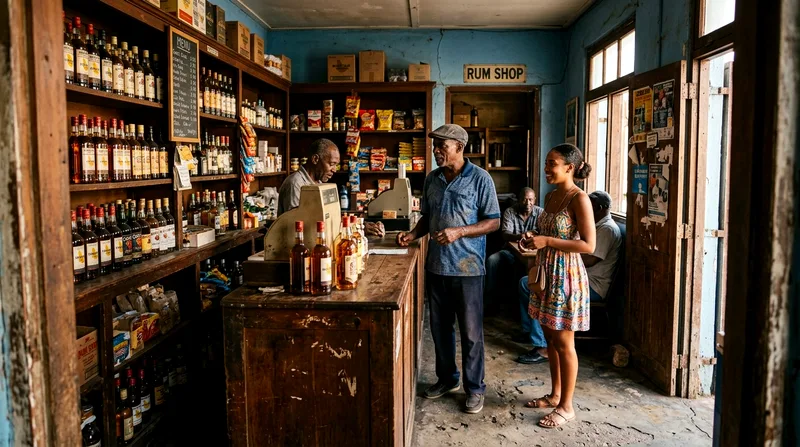
Barbados has roughly 1,500 rum shops scattered across the island — small, often family-run spots that double as community gathering points, not polished tasting rooms. The best food-and-rum tours include at least one genuine rum shop stop rather than substituting a resort bar. These stops tend to be informal: no printed menu, cash expected, and a rotating stock of whatever rum is locally popular that week. If you're traveling solo or as a couple and want a more authentic afternoon than a scripted distillery visit, ask specifically whether the tour includes a rum shop stop versus just a tasting room — the difference in atmosphere is significant.
Rum tour listings on TripAdvisor and GetYourGuide can look similar at a glance but differ a lot in what's actually included, so read past the headline photo before you commit.
Confirm exactly how many rum samples are included and whether food is part of the package or an optional add-on — some listings bundle a light snack, others charge separately for a full meal. Check group size too: a minibus tour capped around 12 people feels very different from a 25-person coach stop, especially at smaller sites like St. Nicholas Abbey where space in the tasting room is limited. Tour length matters as much as price — a two-hour tour that's mostly transit time with 20 minutes at the distillery isn't the same value as one where transit is short and most of the time is on-site.
Check the cancellation window — many Barbados tour operators allow free cancellation up to 24 hours before departure, but this isn't universal, so read the specific policy rather than assuming. If you have mobility concerns, ask directly about uneven ground at historic sites; St. Nicholas Abbey's grounds include gravel paths and stairs that aren't ideal for wheelchairs or unsteady walkers. Confirm whether hotel pickup is included or whether you need your own transport — self-driving to a distillery and then tasting rum is an obvious problem, so group tours with pickup are the safer choice unless you have a non-drinking companion.
Barbados rum tours run year-round, but timing still affects comfort and crowding more than most visitors expect.
December through April is Barbados's dry season and its busiest tourist stretch, meaning distillery tours book out further in advance and tasting rooms feel more crowded. May through November is quieter and often slightly cheaper, though you're trading that for higher humidity and a real chance of short tropical downpours — rarely a problem for an indoor tasting, more of an issue for estate grounds tours. Weekdays tend to have smaller tour groups than weekends, when cruise ship passengers from Bridgetown's port can fill up popular stops like Mount Gay with same-day bookings.
Barbados is small enough — about 34 km long — that combining two sites in one day is realistic, but three pushes it unless you start early. A common and sensible pairing is Mount Gay near Bridgetown in the morning, followed by Foursquare in St. Philip in the afternoon, since both run structured visitor programs. St. Nicholas Abbey sits further north in St. Peter, so it's usually better as its own half-day trip combined with the nearby Cherry Tree Hill lookout rather than squeezed into a multi-distillery day. Compare this to Jamaica, where distilleries are more spread out and a multi-site day often means hours of driving — Barbados's compactness is a genuine advantage for rum touring.
There's no single best tour — it depends on what you want. St. Nicholas Abbey suits history lovers, Mount Gay suits first-timers wanting a polished, easy-to-book experience, and Foursquare suits anyone who wants to see actual production equipment up close. Compare current itineraries and reviews on GetYourGuide or TripAdvisor before deciding, since specific inclusions change.
Most run between 45 minutes for a simple tasting and three hours for a full working distillery tour with transport included. Heritage estate tours like St. Nicholas Abbey typically run 60 to 90 minutes. Add 30 to 60 minutes if hotel pickup and drop-off are included in a group tour.
Expect three to six rum samples, a guide or bartender explaining differences between expressions, and sometimes light snacks like plantain chips or small Bajan bites. Full meals, cocktail-making add-ons and rum shop visits are not standard inclusions — check the specific listing if you want these.
No major distillery offers a genuinely free guided tour — Mount Gay, Foursquare and St. Nicholas Abbey all charge admission that typically includes a tasting. Some rum shops will let you sample a pour informally if you're buying a bottle, but that's not a structured tour.
Start with Mount Gay if you want an easy, well-organized introduction near Bridgetown, or St. Nicholas Abbey if you'd rather get plantation history alongside the rum. Save Foursquare for when you want more technical detail on fermentation and distillation, since its tours assume a bit more interest in process.
Barbados prices food guide: see where your dining money goes, how to save with lunch specials, fish fries and food tours, and what's worth paying for.
9 min read · 20 Oct 2026
Mount Gay vs Foursquare distillery tour compared: Bridgetown visitor experience vs the working St Philip distillery on depth, cost, location and rum appeal.
9 min read · 20 Oct 2026
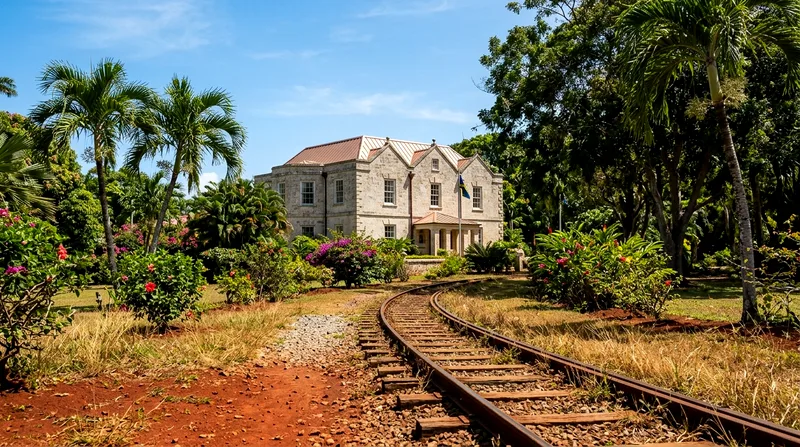
Plan your St Nicholas Abbey Barbados visit: Jacobean mansion, rum tasting, heritage railway, ticket advice and how to fit it into a north-coast day.
9 min read · 20 Oct 2026
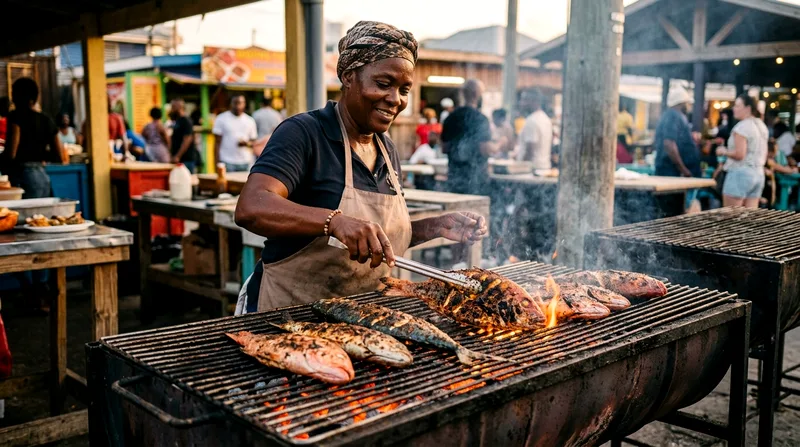
Plan your Oistins Fish Fry visit: what to order, how to get there, going independently vs an evening tour with transport, and the best time to arrive.
10 min read · 20 Oct 2026
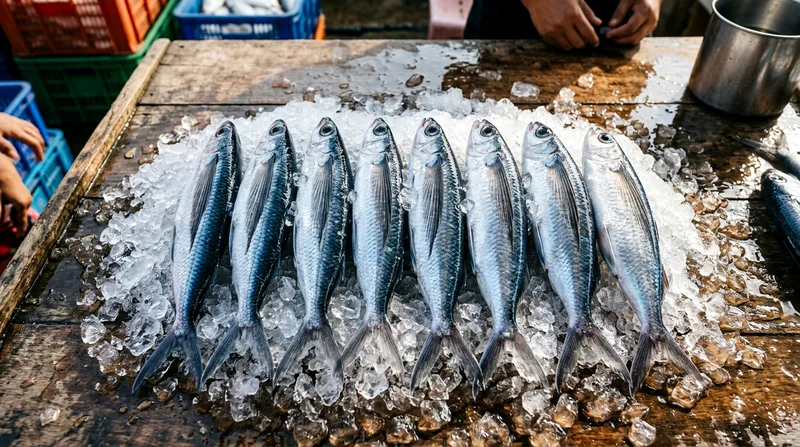
Discover the Barbados national dish, cou-cou and flying fish, plus Bajan food, drinks and where to find the best food tours on the island.
10 min read · 20 Oct 2026
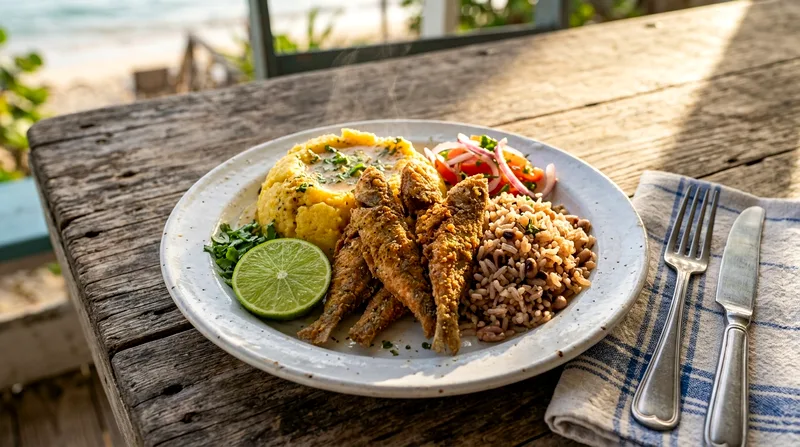
Compare the best Barbados food tours: walking food tours, cooking classes and island culinary trips. Taste fish cakes, cou-cou and rum punch with a local guide.
9 min read · 20 Oct 2026
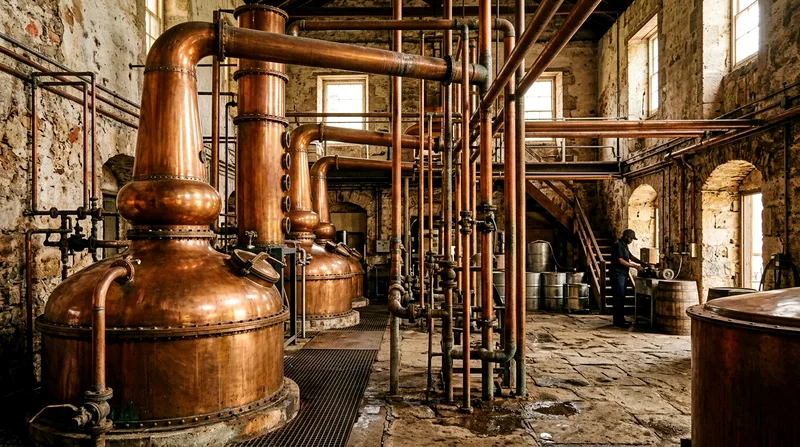
Plan your Mount Gay rum tour in Barbados: compare tasting, cocktail class and lunch experiences, see how to book, and find the best time to visit.
9 min read · 20 Oct 2026