Compare Barbados snorkeling tours: small-boat, glass-bottom and shore-based trips for beginners, families and strong swimmers. See what to check before booking.
Which Snorkel Tour Suits You
Barbados snorkeling tours split into a handful of distinct categories, and picking the wrong one is the most common regret people post about afterward on TripAdvisor. The west coast, from Bridgetown up past Holetown, has calm, clear water protected from the Atlantic swell — ideal for beginners, kids and anyone who hasn't snorkeled in years. The shipwrecks and turtle sites cluster here too, which is good news because it means you don't need rough-water confidence to see the best stuff.
The real decision isn't "where" so much as "what kind of boat and how many people." A 40-foot catamaran carrying 30 passengers on a half-day booze cruise will stop at a wreck for 20 minutes, tops. A six-person small-boat charter built specifically around snorkeling might spend two hours moving between three sites. Both are legitimately called "snorkel tours," and both show up under the same search results, so read the itinerary description carefully before you book.
I'd steer most first-time visitors away from the big party catamarans unless the open bar and music is genuinely part of what you want — plenty of people do want exactly that, and it's fine as a social day out. But if snorkeling quality is your priority, smaller operators with glass-bottom boats or RIBs built for 10-12 people consistently deliver more actual time with your mask in the water.
Beginners and nervous swimmers
If you've never snorkeled or you're uneasy in open water, look for tours explicitly marketed for Carlisle Bay or Folkestone Marine Park — both have shallow, sheltered conditions with depths often under 15 feet over the wreck sites. Shore-based lessons or small-boat trips that include a guide in the water with you are worth the modest premium. Avoid anything described as "deep wreck dive site" or trips that bundle snorkeling with higher-current drift sites; those aren't built for nervous swimmers. A good beginner tour supplies a flotation noodle or vest without you having to ask, and the guide gets in the water rather than just pointing from the boat.
Families and confident swimmers
Families with kids aged roughly six and up generally do well on half-day small-boat or glass-bottom combination trips — kids who aren't ready to snorkel can still watch reef life through the glass panel while older siblings or parents go in the water. Confident adult swimmers get more value from full-day catamaran or private charter trips that combine two or three sites: a wreck, a reef, and a turtle feeding spot. If your group includes both a nervous 8-year-old and two strong adult swimmers, a glass-bottom-plus-snorkel combo tour threads that needle better than a straight snorkel charter.
Barbados Snorkel Tour Types Compared
Five broad categories cover almost everything sold as a "Barbados snorkeling tour." Small-boat charters (typically 6-12 passengers) prioritize snorkel time and flexibility — the captain can move between sites based on conditions. Glass-bottom boats suit mixed groups where not everyone wants to get in the water; you still see reef and wreck structure, just through a hull panel instead of a mask part of the time. Catamaran tours, often half or full day, bundle snorkeling with sailing, lunch and sometimes an open bar — fine for a social day, less ideal if you want quiet reef time. Shore-based or beach snorkeling needs no boat at all — you walk in from Carlisle Bay or a Folkestone Marine Park beach, which costs nothing beyond gear rental and suits solo travelers or anyone on a tight budget. Private charters cost more per person but give you control over pacing, sites and timing, which matters if you're traveling with mixed-ability swimmers or want to avoid other boats crowding the wreck.
Small-boat and private charters deliver the most in-water time, while catamarans and glass-bottom boats trade snorkel minutes for sightseeing and social extras.
Barbados snorkeling tour types compared: duration, group size and best use
| Tour Type | Typical Duration | Group Size | Best For | Watch Out For |
|---|---|---|---|---|
| Small-boat charter | Half-day (3-4 hrs) | 6-12 people | Confident swimmers, wreck and reef focus | Less shade, can feel exposed on rougher days |
| Glass-bottom boat | 1.5-3 hrs | 10-25 people | Mixed groups, non-swimmers, kids | Limited actual snorkel time |
| Catamaran tour | Half-day to full-day | 20-40 people | Social groups, combining sailing with snorkeling | Crowded anchor points, open-bar focus over reef time |
| Shore-based snorkeling | Self-paced | Solo or small group | Budget travelers, solo visitors | No guide, currents can surprise beginners |
| Private charter | Half-day to full-day | 2-8 people | Families with mixed abilities, couples | Highest cost per person |
Durations and group sizes are typical ranges; always confirm specifics and current prices with the operator before booking.
Private versus group trips
Group trips are cheaper per person and easier to book last-minute, but you're on someone else's schedule and sharing a wreck site with whoever else booked that slot — sometimes three or four boats crowd the same spot over Carlisle Bay on a busy morning. Private charters, typically for 2-8 people, cost more overall but let you choose which sites to prioritize and how long to stay at each. For couples celebrating an anniversary or families with very different swimming abilities, the private option often works out worth the extra cost. Solo travelers and budget-conscious visitors are usually better served by joining a small group tour rather than paying for an entire private boat.
Reefs, Turtles and Shipwreck Sites
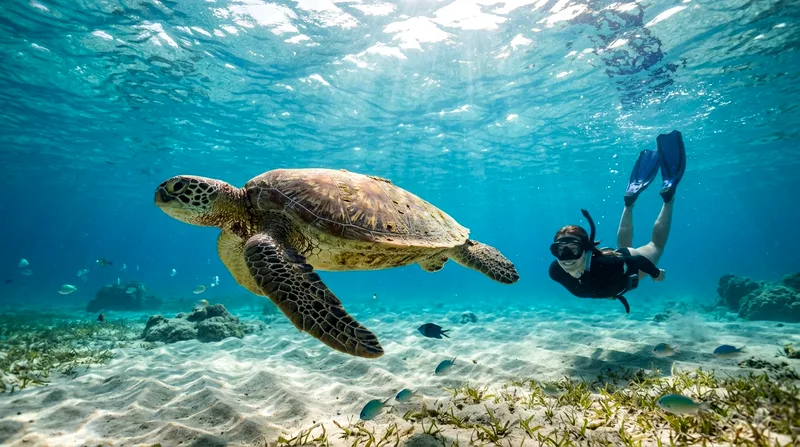
Barbados' main draw for snorkelers is the combination of shallow wrecks and resident hawksbill turtles within a short boat ride of Bridgetown — you don't need to travel far or dive deep to see either. This compactness is part of why Barbados snorkeling tours tend to run shorter than, say, a Grenada wreck-diving excursion, where sites are more spread out and often require actual scuba certification rather than a mask and fins.
Carlisle Bay wrecks and turtles
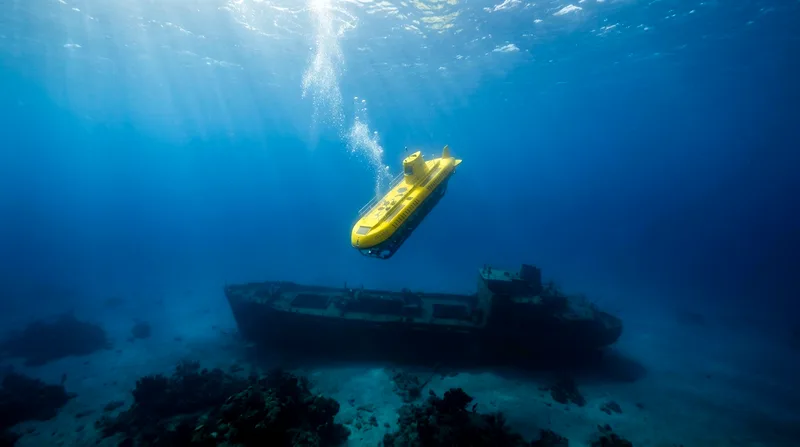
Carlisle Bay, just south of Bridgetown, is the single best-known spot for Barbados turtle snorkeling and shipwreck snorkeling combined. It holds several wrecks in shallow water, including the Berwyn, sitting in depths generally reasonable for snorkelers rather than divers. Hawksbill turtles frequent the bay regularly, feeding on sea grass close to the surface, and most small-boat and catamaran operators build a Carlisle Bay stop into their route specifically for this reason. The catch: because it's the most reliable spot, it's also the most visited, and on a busy midday you may share the water with several other boatloads of snorkelers. Early morning departures — before 9:30am — tend to have noticeably fewer boats.
Reef snorkeling beyond the bay
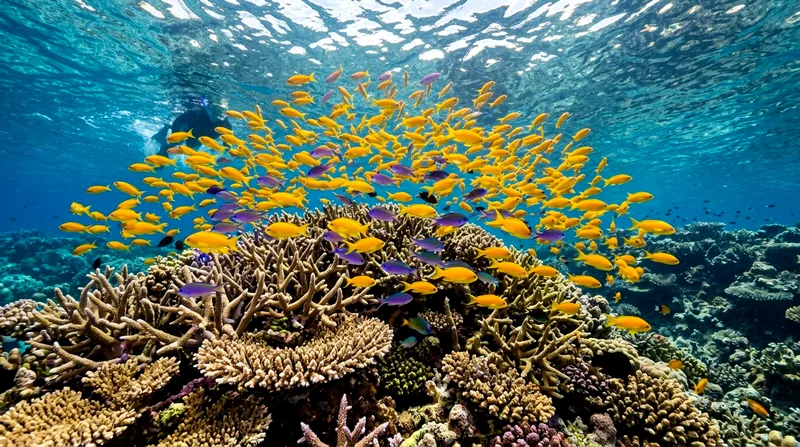
Folkestone Marine Park, near Holetown on the west coast, protects a coral reef system and a deeper wreck, the Stavronikita, that sits beyond standard snorkel depth but has shallower surrounding reef worth exploring on the surface. This stretch of coast gives operators room to combine a reef stop with a turtle encounter without the Carlisle Bay crowds. Compared to St. Lucia's Soufrière Marine Management Area, Barbados' reef sites are shallower and calmer overall, which suits snorkelers over scuba divers — St. Lucia's reefs reward depth and visibility that Barbados doesn't consistently match, but Barbados wins on accessibility for anyone who just wants to float and look.
What to Check Before Booking
Read past the headline description. Two tours both labeled "Barbados shipwreck snorkel, half-day" can differ enormously in what you actually get once you're on the water.
Inclusions, group size and gear
Check whether mask, snorkel, fins and flotation gear are included or rentable on-site — most reputable tours include basic gear, but fin sizes for kids or larger feet sometimes run short on busier boats. Confirm whether lunch, rum punch or snacks are included, since that changes the value comparison between a cheaper bare-bones trip and a pricier all-inclusive one. Group size matters more than almost anything else: ask directly how many passengers are booked for your date, not just the boat's maximum capacity. A boat rated for 40 that's running with 15 on your day is a very different experience than one running full.
Safety, accessibility and cancellation terms
Ask whether a guide actually gets in the water with the group or stays on the boat — this matters most for beginners and for parents snorkeling with kids. Check cancellation and weather policies before you pay; Caribbean operators generally offer rescheduling rather than full refunds for weather cancellations, and Barbados' west coast is calmer than the Atlantic side but can still get choppy during winter cold-front swells (roughly December through February). If you have mobility limitations, ask specifically about boat entry and exit — ladder height and swim platform design vary a lot, and not every operator can accommodate limited mobility without advance notice.
When to Book Your Snorkel Tour
Timing affects both water visibility and how easily you can get a decent small-boat or private slot.
Best months and sea conditions
December through April generally brings the driest weather and good average visibility, though occasional winter swells can roughen the west coast for a day or two at a time. Visibility on calm days commonly runs well beyond typical UK or Mediterranean snorkeling conditions, which is part of the draw for European travelers used to murkier home waters. Hurricane season, June through November, brings a higher chance of rain and rougher seas, though the west coast remains more sheltered than Barbados' Atlantic side throughout the year. September and October see fewer tourists and sometimes better small-boat availability, if you don't mind a slightly higher chance of a rained-out morning.
How far ahead to reserve
For small-boat or private charters during peak season (December to April), book two to three weeks ahead if possible — these fill faster than the big catamarans simply because there are fewer seats to sell. Glass-bottom boats and the larger party catamarans usually have more availability and can often be booked just a day or two out, even in season. If your travel dates are fixed and a specific small-group experience matters to you, booking before you fly is the safer move; always compare current prices and reviews on sites like Viator or TripAdvisor shortly before paying, since availability shifts week to week.
Frequently asked questions
Is there good snorkeling in Barbados?
Yes, particularly along the calm west coast from Bridgetown to Holetown, where shallow wrecks, coral patches and resident turtles sit close to shore. It's not a deep-reef destination on the scale of the Grenadines or Bonaire, but for accessible, calm-water snorkeling suited to beginners and families, it holds up well against Caribbean alternatives like Aruba or Antigua.
Can you see turtles while snorkeling in Barbados?
Hawksbill turtles are commonly spotted in Carlisle Bay and along parts of the west coast, often close enough to the surface to see clearly without diving down. Most snorkeling tours build in a turtle stop specifically because sightings are reliable, though no operator can guarantee wildlife encounters on any given day.
What shipwrecks can you snorkel in Barbados?
Carlisle Bay holds several wrecks suitable for snorkeling, including the Berwyn, sitting in shallow enough water for surface viewing. The Stavronikita near Folkestone Marine Park sits deeper and is better suited to scuba divers, though snorkelers can still explore the surrounding shallower reef.
Are there beginner-friendly snorkeling tours in Barbados?
Yes — look specifically for small-boat or shore-based tours around Carlisle Bay or Folkestone Marine Park that mention shallow depths and an in-water guide. These sites rarely exceed 15-20 feet and have minimal current, making them far more forgiving than open-water or drift-snorkel sites elsewhere in the Caribbean.
What is included in a Barbados snorkeling tour?
Most tours include mask, snorkel and fins, plus a guide and transport to the site by boat. Half-day and full-day catamaran trips often add lunch, soft drinks and sometimes rum punch; smaller charters may offer fewer extras but more actual snorkel time. Always check the specific listing, since inclusions vary significantly between operators.