Plan Barbados scuba diving with confidence: compare try-dives, PADI courses, wreck dives and reef trips, and learn what to check before you book a tour.
Which Barbados Dive Suits You?
Barbados scuba diving splits cleanly into two worlds. On one side, Carlisle Bay on the south-west coast sits in flat, protected water rarely deeper than 12 metres, scattered with six wrecks you can practically see from the surface. On the other, the west coast stretches from Holetown to Speightstown over fringing reefs and a handful of deeper wrecks, with depths running from 10 to 30 metres depending on the site. Which one suits you depends almost entirely on whether you've dived before.
This isn't a destination built around dramatic walls or strong current drift dives, the way parts of the Bahamas or Grenada's Kick 'Em Jenny area are. Barbados plays to a gentler strength: warm, clear, calm water most of the year, and wrecks shallow enough that a nervous first-timer can see the hull from the dinghy before ever putting a regulator in their mouth. If you want adrenaline-heavy diving, you'll find Grenada's wreck diving (the Bianca C, in particular) more technically demanding, and Turks and Caicos offers wall diving that drops off dramatically from the shelf — Barbados doesn't really compete there.
First-timers and discover scuba
If you've never strapped on a tank, a discover scuba Barbados session is the sensible entry point, not a full certification course. These typically run as a half-day: a short briefing on land or on the boat, then a supervised dive to around 6-12 metres, usually in Carlisle Bay. You're with an instructor the entire time, often one-on-one or in a small group of two or three. It's not a certification — it's a taste test — and most operators cap the depth and duration deliberately so nobody gets overwhelmed. Expect to be in the water for 20-30 minutes on the actual dive itself, bookended by kit fitting and a safety talk that takes just as long. If you like it, ask about crediting that session toward a PADI Open Water course, since several Barbados shops will roll it into the certification process rather than making you start from scratch.
Certified and returning divers
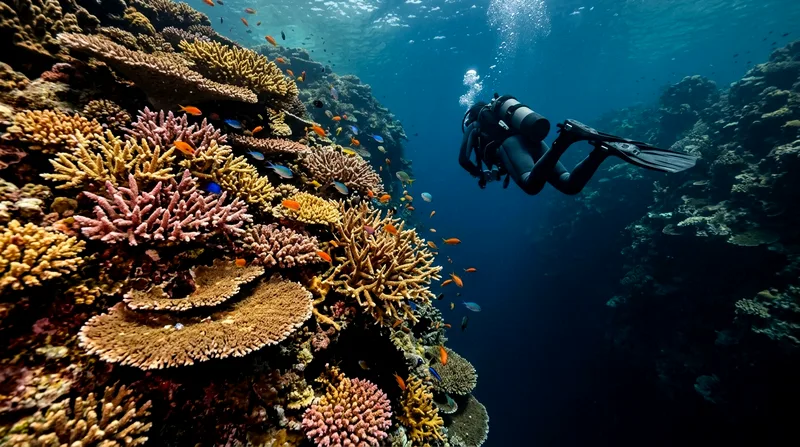
If you're already PADI or SSI certified, Barbados gives you more to work with than the beginner wrecks alone. The west coast reef and wreck sites around Dottins Reef and further north toward Speightstown run deeper and suit an Advanced Open Water diver nicely, with swim-throughs, sea fans, and the occasional turtle encounter. Returning divers should ask specifically for boat dives on the west side rather than defaulting to Carlisle Bay again — the bay is excellent, but doing it twice on one trip wastes dive days you could spend elsewhere. Multi-tank packages (two-tank boat trips) are the standard format for certified divers and are more cost-efficient per dive than booking single dives repeatedly.
Barbados Diving Tour Types Compared
Once you know your experience level, the next decision is format: a one-off try-dive, a multi-day PADI course, a guided fun dive, a dedicated wreck trip, or a private charter. Each has a different time commitment and a different ceiling on what you'll actually see.
A PADI course — typically Open Water over three to four days — is the only option that leaves you with a transferable qualification valid worldwide, which matters if you plan to dive again in Jamaica, St. Lucia or Aruba later. The trade-off is time: you're committing the better part of three days to classroom sessions, confined water skills in a pool or calm bay, and then open water dives, which eats into a one-week holiday fast. A guided fun dive, by contrast, is a single boat trip, usually two tanks, done in half a day with no study involved, available to anyone already certified.
Discover scuba sessions suit first-timers, PADI courses suit those wanting certification, and guided fun or wreck dives suit anyone already certified.
Barbados scuba diving tour types compared by experience level and format
| Tour Type | Experience Needed | Typical Depth Range | Format |
|---|---|---|---|
| Discover Scuba (try-dive) | None | 6-12m | Half-day, instructor-supervised |
| PADI Open Water Course | None (leads to certification) | 5-18m | 3-4 days, classroom + pool + open water |
| Guided Fun Dive (reef) | Certified diver | 10-20m | Half-day, 2-tank boat trip |
| Wreck Dive (Carlisle Bay) | Beginner to certified | 6-15m | Half-day, boat or shore access |
| Wreck/Reef Dive (west coast) | Certified, Advanced recommended | 15-30m | Half-day, 2-tank boat trip |
| Private Charter | Any, by arrangement | Flexible | Half or full day, exclusive group |
Depths and formats are typical ranges; always confirm the dive plan and prerequisites with the operator before booking.
Try-dive vs PADI course vs guided fun dive
The try-dive (discover scuba) is cheapest in time and money but gets you one shallow dive and nothing you can use again without doing it over. The PADI course is the biggest investment — expect several hundred US dollars and three to four days — but it's a genuine certification recognized globally, not a souvenir. The guided fun dive sits in the middle: no certification required beyond what you already hold, booked a day or even a morning ahead, and flexible enough to slot into a beach holiday without rearranging your whole itinerary. My honest take: unless you're fairly sure you'll dive again within the next year or two, the course is a lot of holiday time to spend underwater training rather than exploring. A discover scuba session plus a couple of fun dives (if you're already certified) usually makes for a better week overall.
Group trips vs private charters
Most Barbados dive charters run as small shared-boat trips, typically six to twelve divers with one or two instructors or divemasters. That's fine for confident swimmers and keeps costs down. Private charters cost more and are booked exclusively by your group, which matters if you have young teens, a nervous first-timer, or photographers who want to linger at one site rather than move on a schedule. Families traveling together often prefer private or small-group charters for exactly this reason — nobody's rushed, and the dive plan can bend around a slower swimmer. If budget is tight, shared group trips are the default and perfectly serviceable; just ask in advance how many divers will be on the boat that day.
Best Wreck and Reef Dive Sites
Barbados dive sites fall into two geographic clusters, and knowing which one a tour visits tells you most of what you need to know about the dive itself.
Carlisle Bay wrecks and shallow wreck diving
Carlisle Bay, just off Bridgetown, holds six wrecks within a relatively small area, including the Berwyn, the Fox, the Bajan Queen and the Eilon, sitting in depths from around 6 to 15 metres. The shallow depth means long bottom times — you're not racing a dive computer the way you might on a 30-metre wreck — and good natural light reaches the hull, so photos come out well even on a basic underwater camera. This is the area most discover scuba Barbados sessions use, and it's also a favourite for night dives among certified divers, since the wrecks become a different experience once the flashlight comes out and nocturnal fish move in. The downside: it's a popular, easily accessed site, so don't expect solitude, and visibility can dip after heavy rain runoff from Bridgetown's harbor.
West coast reefs and marine life
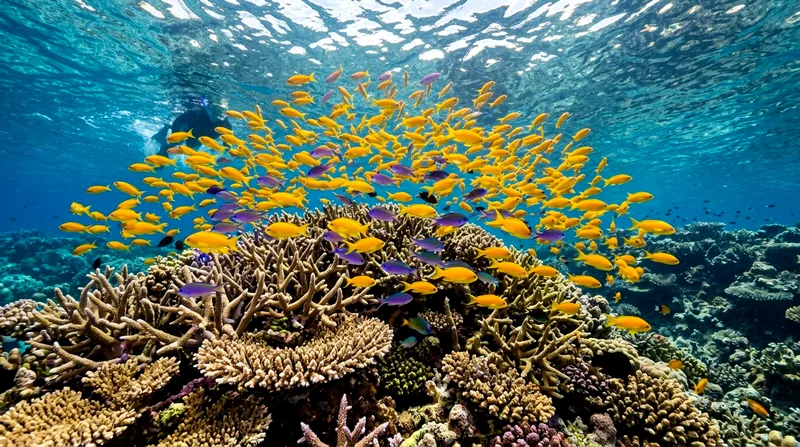
North of Carlisle Bay, the reef system running past Holetown toward Dottins Reef and up to Speightstown offers fringing coral, sea fans, and a noticeably higher chance of hawksbill turtle sightings — Barbados has a resident turtle population that feeds along these reefs, and most west coast boat trips build in time at a known turtle-feeding spot. Depths here run 10 to 25 metres typically, occasionally deeper at specific sites, which puts it comfortably in Advanced Open Water territory if you want to use the full range. Compared to Antigua's reef diving, which tends to be shallower and more current-affected depending on the site, Barbados's west coast is calmer and easier for an intermediate diver, though neither destination matches the biomass you'd see in parts of Trinidad and Tobago's more current-swept dive sites.
What to Check Before Booking a Dive
Barbados has a reasonable number of established dive shops — names like Barbados Blue Watersports, Dive West Side Scuba, Salt & Sea Scuba, Roger's Scuba Shack, GFish Watersports and Eco Dive are commonly mentioned by visitors and are a sensible starting point for research — but treat any list like this as a jumping-off point, not an endorsement of one over another. Check current reviews, confirm the operator is PADI (or an equivalent agency) affiliated, and look at how recently their reviews were posted before locking anything in.
Inclusions, group size and instructor ratio
Ask exactly what's included before you pay anything: tank, weights and BCD are usually standard, but wetsuits, dive computers, and transport to the dock vary by operator. For a discover scuba session, confirm the instructor-to-student ratio — one-to-one or one-to-two is far better for a nervous first-timer than being one of six strangers getting equal attention. For a guided fun dive, ask how many divers will be in the water with one divemaster; eight divers to one guide is common and fine for confident swimmers, but if you're newly certified with under ten logged dives, a smaller ratio will make for a calmer experience.
Cancellation, weather policy and certification checks
Any operator worth booking with will ask to see your certification card (or verify it electronically) before putting you on a boat dive — if nobody asks, that's a red flag, not a convenience. Check the weather and sea-state cancellation policy too: Barbados's Atlantic-facing east coast can get choppy even when the Caribbean side stays calm, and operators running from the west or south coast sometimes reroute or cancel trips on rough days. Ask what happens to your payment if that occurs — most reputable shops rebook rather than simply refund, but you want that in writing, or at least confirmed by email, before you hand over a deposit.
When to Book Barbados Scuba Diving
Barbados dives year-round — there's no closed season the way some destinations have around hurricane-driven operator shutdowns — but conditions and crowd levels still shift with the calendar, and it affects what kind of trip you'll get.
Seasonal conditions and visibility
The dry season, roughly December through May, generally brings calmer seas and better visibility, often 20-30 metres on a good day at west coast sites. The wetter months from June through November can bring short, heavy downpours that stir up runoff near Bridgetown and reduce visibility in Carlisle Bay specifically, though the west coast reefs further from the harbor are less affected. Hurricane season (June to November) rarely hits Barbados directly compared to more northern islands like the Bahamas or Turks and Caicos, since Barbados sits further south and east of the main storm track, but tropical waves can still churn up surface conditions for a day or two at a time.
How far ahead to reserve
For a discover scuba session or a single guided fun dive, booking a few days ahead is usually enough outside of peak winter season (mid-December through February), when cruise ship days and holiday crowds can fill boats. If you're doing a PADI course, book at least two to three weeks out — courses need scheduling around daylight hours and pool/confined water access, and some shops only start new Open Water classes on certain days of the week. Private charters need the most lead time; reserve those a month ahead if you're traveling during winter high season, since boats and instructors are limited and get allocated to group trips first.
Frequently asked questions
Is Barbados good for scuba diving?
Yes, particularly for beginners and intermediate divers. Calm, clear water, shallow accessible wrecks in Carlisle Bay, and healthy west coast reefs make it reliable and low-stress diving. It's not the place for deep wall dives or strong-current drift diving — Grenada and Turks and Caicos do that better — but for relaxed, warm-water diving with good visibility most of the year, Barbados delivers consistently.
Can beginners scuba dive in Barbados?
Absolutely — discover scuba Barbados sessions are built specifically for people who've never dived, with one-on-one or small-group instructor supervision and dives capped around 6-12 metres in protected water like Carlisle Bay. No certification is required beforehand. If you enjoy it, most shops let you apply that session toward starting a full PADI Open Water course later in your trip or on a future visit.
What are the famous wreck dives in Barbados?
Carlisle Bay holds the best-known cluster, including the Berwyn, the Fox, the Bajan Queen, and the Eilon, all sitting in shallow water between roughly 6 and 15 metres. They're close together, easy to visit on a single boat trip, and popular for both daytime dives and night dives. Certified divers wanting deeper wreck sites should ask operators about west coast options, though Carlisle Bay remains the signature wreck diving area.
What PADI courses are available in Barbados?
Most Barbados dive shops offer the standard PADI progression: Discover Scuba (not a certification), Open Water Diver (the entry-level certification, typically 3-4 days), Advanced Open Water, and sometimes Rescue Diver or specialty courses like wreck or night diving. Confirm which specific courses a shop runs before booking, since not every operator offers the full range, especially smaller shops focused mainly on fun dives.
When is the best time to dive in Barbados?
December through May generally offers the calmest seas and clearest visibility, often 20-30 metres at west coast sites. June through November can bring heavier rain and reduced visibility near Bridgetown, though it's rarely severe and diving continues year-round. Barbados sits outside the main hurricane track, so storm disruption is less common than in the Bahamas or Turks and Caicos, but short weather delays can still happen in the wetter months.