Swim with turtles Barbados-style: compare catamaran, small-boat and shore tours in Carlisle Bay, learn what's included, and find the right fit for your trip.
Swim with Turtles in Barbados: What to Expect
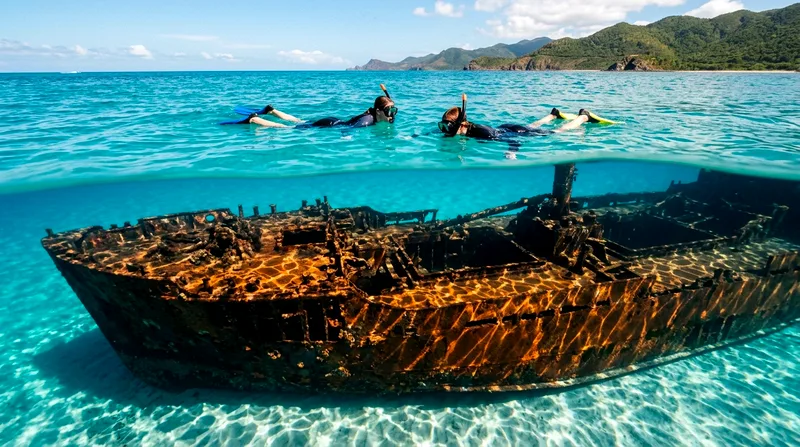
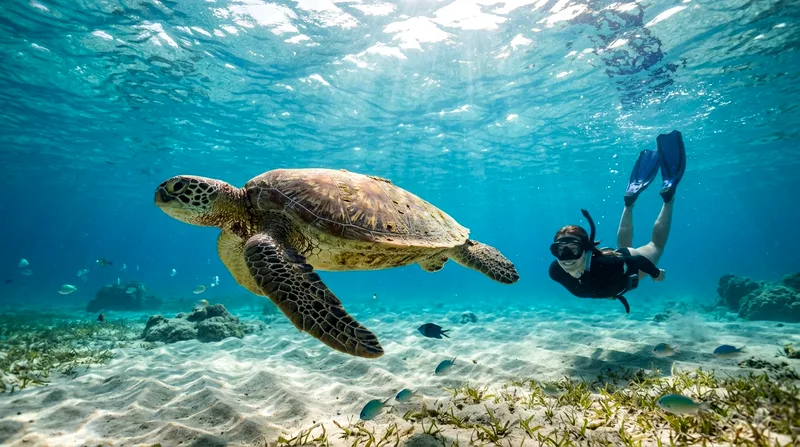
Carlisle Bay, just south of Bridgetown, is one of the few places in the Caribbean where wild green and hawksbill turtles show up reliably enough to build an entire tour industry around them. The water is calm, usually clear to 15-20 feet, and shallow enough that a boat idling nearby doesn't spook the turtles grazing on sea grass and nibbling at the hulls of three shipwrecks resting on the sandy bottom. You don't need to be a strong swimmer to see one — turtles here are used to snorkelers and often surface for air within arm's length of a mask and fin.
The catch is that "swim with turtles in Barbados" covers a wide range of experiences, from a 40-person catamaran blasting soca music to a quiet shore entry with nobody else around. This guide compares the tour categories you'll actually find on booking platforms like GetYourGuide or through hotel tour desks, tells you what each one includes, and flags the responsible-operator signals worth checking before you hand over a deposit.
Which Turtle Tour Suits You
The right choice depends less on budget and more on who's in your group and how comfortable everyone is treading water in open sea. A fit 30-year-old and a nervous 8-year-old have very different tolerances for a boat ladder in gentle swell.
Families and First-Time Snorkelers
If you're traveling with kids under 10, or anyone who's never snorkeled, skip the big catamaran party cruises that combine turtles with an open bar — they're built for a festive vibe, not patient instruction. Look instead for smaller boats (under 20 passengers) that explicitly mention life jackets, flotation noodles, and staff who get in the water with guests. Many of these tours run 2.5 to 3 hours and include a stop at a shallow wreck site in addition to the turtle zone, which gives kids something to look at even on a slow turtle day. Shore-based snorkeling from Carlisle Bay itself is the cheapest and most flexible option for families — you control the pace, there's no seasickness risk, and you can get out whenever a child tires. The trade-off is you're sharing the water with boat traffic and other swimmers, and there's no guide narrating what you're seeing.
Couples, Groups and Confident Swimmers
Confident swimmers get the most out of small-group boat tours or private charters because they can swim further from the boat to the wreck sites without needing a flotation aid, and spend more actual time in the water rather than being briefed and life-jacketed. Couples who want a quieter, more photogenic outing should actively avoid the big party catamarans — even if the turtle swim itself is only 30-40 minutes of a 4-hour cruise, the rest of the trip is built around music and drinks, not wildlife. Groups of friends celebrating a trip, on the other hand, often prefer exactly that format: turtles, a wreck swim, then an open bar and a beach stop, often bundled as a half-day outing from Bridgetown or the west coast hotels.
Turtle Tour Types Compared
Barbados tour operators generally sell four recognizable formats. None of them are inherently bad, but each trades something for something else — group size for intimacy, cost for flexibility, structure for independence.
Smaller boats and shore access generally give calmer, closer turtle encounters than large catamaran tours, which trade intimacy for atmosphere and lower per-person cost.
Barbados turtle tour types compared by group size, duration and best fit
| Tour Type | Typical Group Size | Typical Duration | Shipwreck Stop | Best For |
|---|---|---|---|---|
| Large catamaran/party boat | 20-50+ | 3-5 hours | Usually yes | Groups, budget-conscious travelers, festive atmosphere |
| Small-group boat | 6-15 | 2-3 hours | Often yes | Families, first-timers, moderate budget |
| Private charter | 1-8 (your group) | 2-4 hours, flexible | Optional/on request | Couples, special occasions, flexible schedules |
| Shore-based (Carlisle Bay) | Self-guided, no fixed group | As long as you like | No | Budget travelers, independent swimmers, repeat visitors |
Figures are general industry patterns, not fixed schedules; always confirm group size, duration and inclusions when booking.
Catamaran and Party Boat Tours
These are the most heavily marketed turtle tours in Barbados, often run as half-day cruises along the west or south coast with stops for turtle swimming and shipwreck snorkeling near Carlisle Bay, plus lunch or a rum punch service. Groups typically run from 20 to 50-plus people, and the boats are stable, shaded, and easy to board — useful for seniors or anyone wary of smaller craft. The downside is obvious: with that many snorkelers entering the water at once, turtles can get crowded or dive away from the surface, and you'll spend meaningful time waiting your turn at the ladder. If the marine wildlife is the actual point of your trip rather than the party atmosphere, this is usually the weakest format for a close, calm encounter.
Small-Group and Private Charters
Small-group boats (roughly 6-15 people) and private charters are the better bet if you actually want quality time near turtles rather than a boat party. Crews on smaller vessels tend to position the boat more carefully, give a real briefing on turtle etiquette, and can relocate if a particular spot is too busy with other boats. Private charters go further — you set the pace, skip the fixed itinerary stops, and avoid sharing the water with a tour group that arrived five minutes before you. Expect to pay a premium for either option versus a catamaran seat, and note that private charters usually require advance notice of 24-48 hours rather than same-day booking. For couples or small families willing to spend more for a calmer, less rushed swim, this category is worth the extra cost.
Responsible Turtle Swimming Practices
Sea turtles in Barbados are protected under national law, and green and hawksbill turtles are both listed as threatened by the IUCN — hawksbills critically endangered. That matters when you're choosing a tour, because how an operator handles guests in the water directly affects turtle stress levels and long-term site health.
Wildlife-Friendly Operator Signs
Before booking, check the tour description and reviews on TripAdvisor or GetYourGuide for specific language: do they mention a no-touch policy, limiting swimmers per turtle sighting, or giving a pre-swim briefing on behavior? Operators who publish this detail are generally more careful in practice than ones whose listing only promises "guaranteed turtle swimming." Treat that guarantee claim with mild suspicion — it usually means the boat anchors near turtles that are habituated to boat traffic because they're fed, which creates its own welfare problem (more on that below). Visit Barbados and Barbados.org both list licensed water-sport operators, which is a reasonable baseline check, though licensing alone doesn't guarantee gentle practices in the water.
Rules for Touching and Feeding
Don't touch, chase, or try to ride a turtle, and don't support any operator who encourages it for photos — this still happens on some budget tours despite being illegal under Barbados's Fisheries Act. Feeding turtles, often with squid or fish scraps to draw them close for guaranteed photos, is a common but harmful practice: it conditions turtles to associate boats and swimmers with food, alters natural foraging behavior, and increases the risk of boat strikes as turtles surface near engines expecting a handout. If you see an operator feeding turtles on a sample video or in reviews, that's a reason to look elsewhere, not a selling point. A good guide keeps swimmers a few feet back, lets the turtle approach or ignore you on its own terms, and limits swim time to avoid exhausting the animal with constant human attention.
What to Look for When Booking
Once you've picked a category, the details in the listing matter more than the marketing photos. This is where a 90-minute swim gets confused with a 4-hour cruise that happens to include turtles for 20 minutes.
Inclusions, Group Size and Cancellation
Read past the headline and check exactly what's bundled: snorkel gear, flotation vests, towels, and drinks or lunch are commonly included on half-day catamaran trips, but not always on small-group or shore-based options. Confirm group size caps, since a listing that says "small group" without a number sometimes still means 25 people split across two boats. Check the cancellation policy too — weather and rough swell can cancel a Carlisle Bay trip with little notice, and operators vary on whether you get a refund, reschedule, or credit. Cruise excursions booked through Royal Caribbean or similar lines tend to have rigid timing built around the ship's port schedule, which limits flexibility if conditions are marginal that morning.
Shipwreck Stops and Marine Life
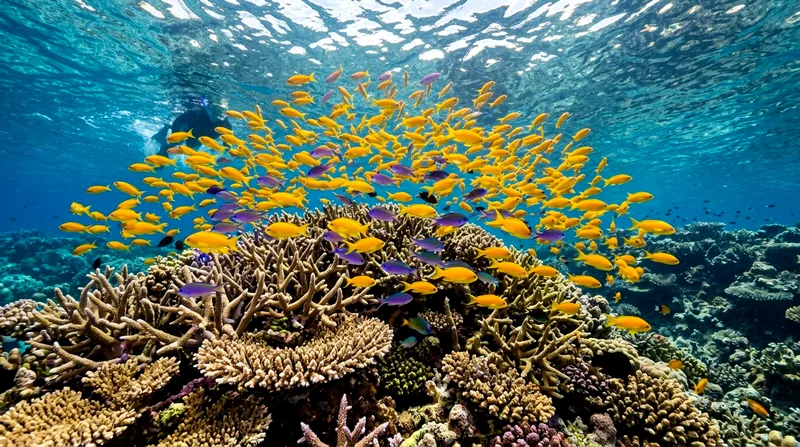
Many turtle tours pair the turtle swim with a stop at one of Carlisle Bay's wrecks, including the Berwyn and the Eilon, both sitting in shallow water that's manageable for snorkelers rather than scuba-only depths. Beyond turtles, expect to see sergeant majors, parrotfish, the occasional barracuda hanging motionless near the wreck, and sea fans growing on the hull structure. If marine life diversity matters to you as much as the turtles, ask specifically whether the wreck stop is included or an optional add-on — some budget listings only cover the turtle zone near Alleyne's Beach or the Hilton Pebbles Beach frontage and charge extra for the wreck leg.
When to Book and Go
Turtles are present in Carlisle Bay year-round, which sets Barbados apart from destinations where sightings are seasonal or migratory. That said, water conditions and crowd levels shift enough across the year to affect which month suits you best.
Seasonal Timing and Turtle Sightings
December through April — the dry season and peak tourist period — brings calmer seas and better visibility, but also more boats competing for the same anchorage spots near the wrecks. May through November is hurricane season technically, though direct hits on Barbados are rare; expect more rain squalls and occasionally choppier water that can cut a swim short. Hawksbill turtles nest on Barbados beaches roughly June through October, which doesn't affect the swimming turtles in Carlisle Bay directly but does mean some beaches restrict nighttime access during that window. If you want the calmest water and best underwater visibility, aim for the early morning slot on any tour, regardless of month — wind typically picks up by early afternoon.
Shore-Based vs Boat-Based Encounters
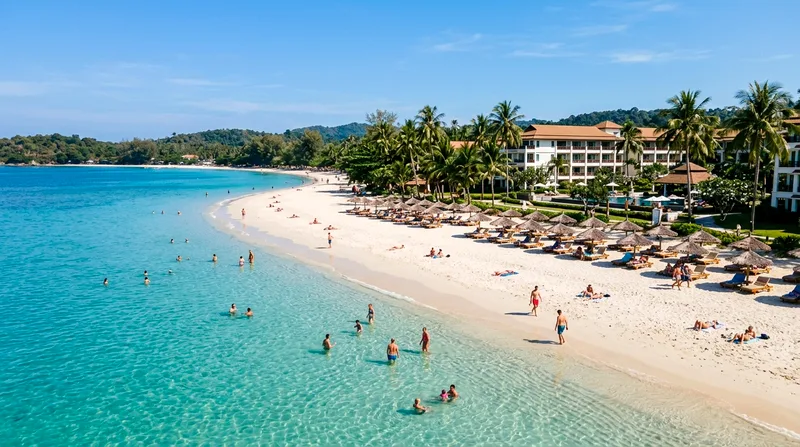
You can walk into Carlisle Bay from several public access points and swim out to where turtles are commonly seen without booking anything — many locals and repeat visitors do exactly this, often near the Hilton Pebbles Beach end of the bay. It's free, flexible, and avoids boat traffic noise, but you're relying on luck rather than a guide who tracks where turtles were spotted that morning, and the wrecks sit further out than most casual swimmers want to go unassisted. Boat-based tours solve both problems — transport to the exact spot and a guide who knows current turtle activity — at the cost of a fixed schedule and a fee. For a first visit, pairing a shore swim one day with a small-group boat tour the next gives you a useful comparison of both.
Matching the Tour to Your Trip
Think about what you're actually optimizing for before you book. Families with young kids and anxious swimmers do best on a small-group boat with flotation support, or a relaxed shore swim where nobody feels rushed. Confident swimmers and couples chasing a quieter, closer encounter should lean toward small-group tours or a private charter despite the higher cost, and skip the large catamaran format entirely unless the party atmosphere is actually the appeal. Groups celebrating together often get more value from the catamaran format's bundled drinks and longer cruise time than from a stripped-down turtle-only swim.
Whichever category you pick, prioritize operators whose listings and reviews mention no-touch, no-feed policies and small swimmer-to-guide ratios near the turtles — that detail tells you more about the actual experience than star ratings alone. Compare current turtle tour options and reviews on GetYourGuide or TripAdvisor before you book, since availability and exact inclusions shift by season and operator.
Frequently asked questions
Where can I swim with turtles in Barbados?
Carlisle Bay, just south of Bridgetown near the Hilton Pebbles Beach and Alleyne's Beach access points, is the main spot — turtles feed on sea grass there and linger around three shallow shipwrecks. You can swim out from shore for free or join a boat tour that takes you directly to the best-performing spots that day.
What is included in catamaran turtle tours?
Most half-day catamaran tours include snorkel gear, flotation vests, a stop for turtle swimming, often a shipwreck snorkel stop, and some form of food or drink service, sometimes an open bar. Exact inclusions vary by operator, so check the listing carefully rather than assuming lunch or gear rental is covered.
How long do turtle snorkeling tours last?
Small-group and shore-adjacent tours typically run 2 to 3 hours including transport and briefing. Larger catamaran cruises that combine turtles with a wreck stop and onboard refreshments commonly run 3 to 5 hours, though actual in-water turtle time within that is often just 30-45 minutes.
Can I swim with turtles from the beach?
Yes — Carlisle Bay allows shore entry, and turtles are regularly seen within swimming distance of the beach. It's free and flexible, but sightings aren't guaranteed on any given swim, and the shipwrecks sit further offshore than most unguided swimmers should attempt without a boat or strong swimming ability.
What is the best time to see turtles in Barbados?
Turtles are present in Carlisle Bay throughout the year, so there's no strict season to target. For the clearest water and calmest conditions, choose an early morning slot between December and April, and avoid afternoons when wind and chop typically increase.