Compare Barbados' best beaches by coast — west, south and east — for swim safety, facilities and activities, and pick the right one for your trip.
Barbados Beaches at a Glance by Coast
Barbados is small — about 34 km long and 23 km wide — but its three coastlines behave like three different islands. The west coast faces the Caribbean Sea and stays calm most of the year. The south coast also fronts the Caribbean side but catches more breeze and boat traffic, so it's busier and better equipped for activities. The east coast faces the open Atlantic, and that single fact changes everything about how you should plan a beach day there.
If you're choosing where to base yourself, this matters more than hotel star ratings. A family with toddlers booked into an east coast guesthouse for the scenery will spend the week driving to the west coast to actually swim. Someone chasing bars and beach bars will find the west coast sleepy by 9pm and wish they'd picked the south coast instead.
Barbados' best beaches aren't interchangeable, and the "best" one depends entirely on what you're optimizing for — swim safety, proximity to restaurants, surf, or just a quiet stretch of sand with nobody else on it. Below is a working comparison, followed by a coast-by-coast breakdown with specific beaches worth building a day around.
The west coast is calmest for swimming, the south coast has the most facilities and nightlife, and the east coast is scenic but generally unsafe for swimming.
Barbados best beaches by coast: swim conditions, facilities and activities compared
| Coast | Typical swim conditions | Facilities | Best for |
|---|---|---|---|
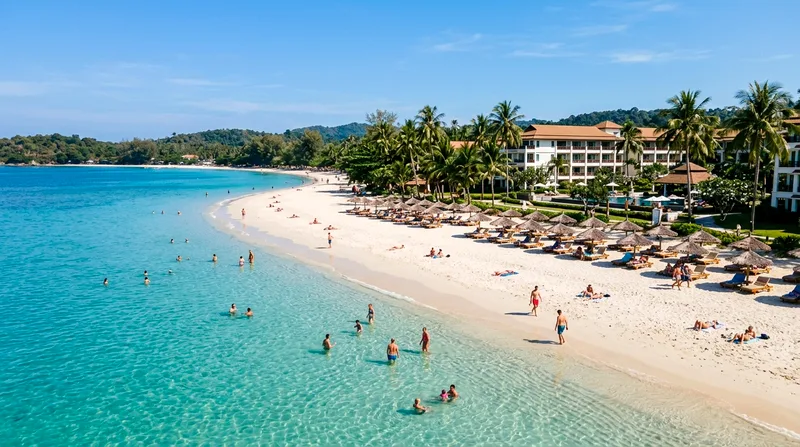
| West Coast | Calm, sheltered, good visibility | Hotel beach bars, watersports operators, some public access points | Swimming, snorkeling, couples, families with young kids |
| South Coast | Moderate waves, sometimes lifeguarded | Showers, vendors, restaurants, bars, boardwalk | Families, solo travelers, nightlife, water sports |
| East Coast | Strong currents, big Atlantic swell, generally unsafe for casual swimming | Minimal — a few snack stands, limited parking | Scenery, surfing (experienced only), photography, road trips |
Conditions vary by season and weather system; always check flags and ask locally before swimming, especially outside the calm west coast.
West Coast Beaches: Calm and Polished
The west coast — sometimes marketed as the "Platinum Coast" — runs from Speightstown down through Holetown to the edge of Bridgetown. This is where the water is most reliably calm, protected from the Atlantic swell by the bulk of the island itself. It's also where Barbados concentrates its priciest resorts, so don't expect bargain beachfront rooms here; a lot of the shoreline fronts private hotel grounds, though Barbados law guarantees public access to all beaches below the high-water mark.
That access rule matters practically: you can walk the length of almost any west coast beach even if you're not staying at the hotel behind it, which is how budget travelers get the calm-water experience without paying resort rates — just bring your own towel and expect to buy a drink from a beach bar if you want a lounger.
What I don't love about the west coast is the crowding at the most photogenic spots during midday high season, and the lack of casual, cheap food right on the sand in some stretches — you're often walking into a hotel restaurant rather than grabbing a $10 fish cutter from a stand. If you want that easier, cheaper beach-day rhythm, the south coast does it better.
South Coast Beaches: Lively and Versatile
The south coast, running from Hastings through Worthing and Oistins to Christ Church, is where I'd point most solo travelers and first-time visitors without kids. It has more affordable accommodation than the west coast, a proper strip of bars and restaurants within walking distance of the sand, and beaches that are lively without tipping into chaos.
Waves here are more noticeable than on the west coast — enough for casual bodyboarding at some beaches, still manageable for competent swimmers. This is also where you'll find the most consistent public infrastructure: showers, public toilets, organized parking, and vendors renting chairs and umbrellas by the day.
The trade-off is noise and crowd density, particularly near Oistins on a Friday night when the fish fry draws both tourists and locals. If you want quiet, this isn't your coast. I'd also flag that some south coast beaches narrow considerably at high tide — check tide times if you're planning to spread out with a family for the whole day, since the usable sand can shrink fast.
East Coast Beaches: Wild Atlantic Scenery
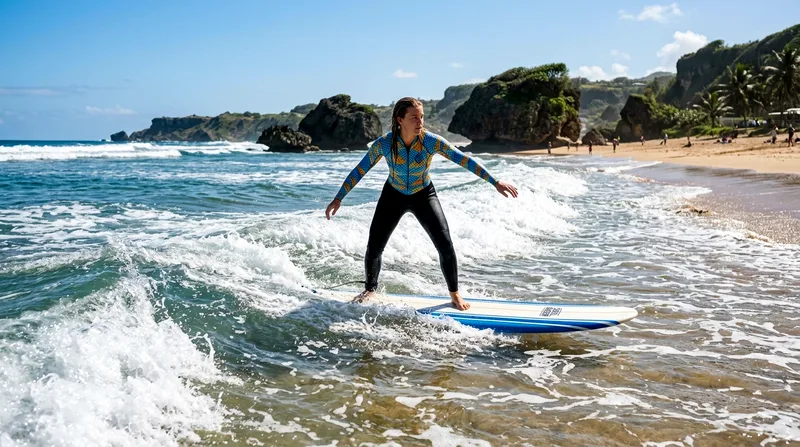
The east coast is the Barbados most tourism photos don't show you, and it's arguably the most interesting part of the island for anyone who's already done a Caribbean beach holiday before. Cliffs, wind-bent trees, and a coast road that climbs and dips through fishing villages — it feels closer to parts of rural Ireland or the Azores than a typical Caribbean postcard, and that contrast is worth a half-day trip even if you never get in the water.
Don't come here expecting a swim day. The Atlantic side has strong rip currents and unpredictable swell, and several of its most scenic beaches have no lifeguards at all. Treat this coast as a scenic drive and photo stop, not a swimming destination, and you'll enjoy it far more than someone who shows up with snorkel gear and a disappointed look.
Best Beaches for Families and Swimming
For families with children and for anyone whose main goal is swimming rather than sightseeing, the decision is simpler than the rest of this guide suggests: stay west or south coast, skip the east coast beach days entirely, and plan them as drive-by scenery instead.
Among the best beaches in Barbados for swimming, Mullins Beach and Gibbes Bay on the west coast and Carlisle Bay and Accra Beach on the south coast cover most needs — shallow entry, limited current, and (at Accra and Carlisle Bay specifically) lifeguard presence. Miami Beach in Enterprise, on the south coast near Oistins, deserves a specific mention here too: it's a local favorite with calm, clear water, soft sand, and noticeably fewer tourists than Accra, plus shade from casuarina trees that many south coast beaches lack.
What I'd avoid with young kids: anywhere on the east coast, obviously, but also the more exposed stretches of the south coast near St. Lawrence Gap at high tide, where waves and a steeper shelf can unsettle nervous swimmers.
Getting There and Planning Your Beach Day
Barbados is compact enough that no beach is more than about an hour's drive from Grantley Adams International Airport, but the coasts feel further apart than the map suggests because the road network funnels traffic through Bridgetown. A west coast to east coast trip can easily take 45–60 minutes even though the straight-line distance is modest, so don't plan to bounce between coasts twice in one day unless you're comfortable with a lot of driving.
Renting a car gives you the most flexibility, particularly for reaching east coast viewpoints and quieter beaches like Bottom Bay or Gibbes Bay that public transport doesn't serve well. Driving is on the left, which catches a lot of European and North American visitors off guard on the first day — take it slowly on the narrower interior roads.
Frequently asked questions
Which side of Barbados has the best beaches?
It depends what you want. The west coast has the calmest, most reliably swimmable water and the most polished resort beaches. The south coast has the best mix of facilities, nightlife and affordable access. The east coast has the most dramatic scenery but is largely unsafe for swimming — Bathsheba is for photos and surfing, not a family swim day.
What are the best beaches for swimming in Barbados?
Mullins Beach and Gibbes Bay on the west coast, and Carlisle Bay and Accra Beach on the south coast, offer the calmest and most consistently safe swimming. Miami Beach in Enterprise is a strong, less crowded south coast alternative. Avoid treating any east coast beach, including Bathsheba, as a swimming destination.
Which beaches in Barbados are family-friendly?
Accra Beach and Carlisle Bay on the south coast both have lifeguards, shallow entry and nearby facilities like toilets and food, making them the easiest choice for families. On the west coast, Mullins Beach works well for its calm, shallow sandbar and beach bar for lunch.
What are the differences between west coast and south coast beaches?
West coast beaches are calmer, pricier to stay near, and more resort-dominated, with fewer casual food options directly on the sand. South coast beaches have more surf, more public infrastructure, cheaper nearby accommodation, and a livelier atmosphere with bars and restaurants like those around St. Lawrence Gap and Oistins within walking distance.
What makes Bathsheba Beach unique?
Bathsheba sits on the Atlantic-facing east coast and is known for large volcanic boulders sitting in the surf, dramatic cliffside scenery, and the Soup Bowl, a serious surf break that draws experienced surfers. It's one of the most photographed spots in Barbados, but swimming is dangerous outside small tidal pools at low tide.