Discover the Barbados national dish, cou-cou and flying fish, plus Bajan food, drinks and where to find the best food tours on the island.
What Is the Barbados National Dish?
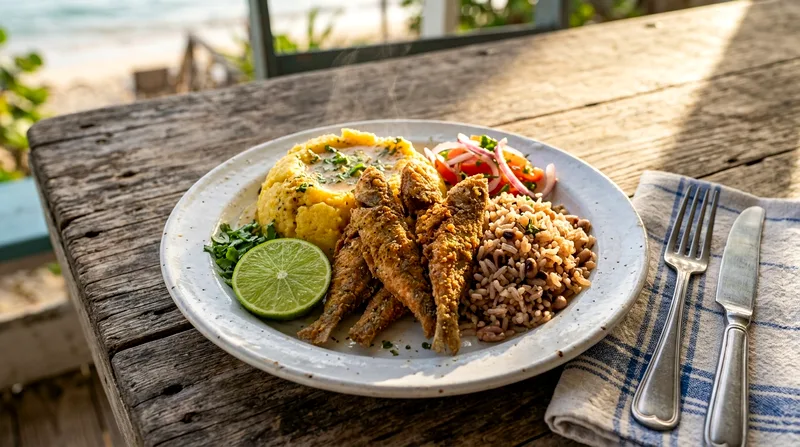
Steamed cornmeal and okra, soft enough to cut with a spoon, sitting next to a fillet of fish bathed in a thin, peppery gravy — that's the dish Bajans will tell you to order if you only eat one meal on the island. The Barbados national dish is cou-cou and flying fish, and it holds that title officially, not just by popular habit. It shows up on menus from beachfront restaurants in St. James to plain, no-frills lunch counters in Bridgetown, and the version you get can vary wildly depending on who's cooking.
What makes it the national dish isn't novelty — it's familiarity. Generations of Bajan families have eaten some form of cou-cou and flying fish on a weekly basis, historically on Fridays, tied to both the fishing calendar and older Catholic meat-free traditions. It's comfort food first, culinary showpiece second.
Cou-cou and flying fish explained
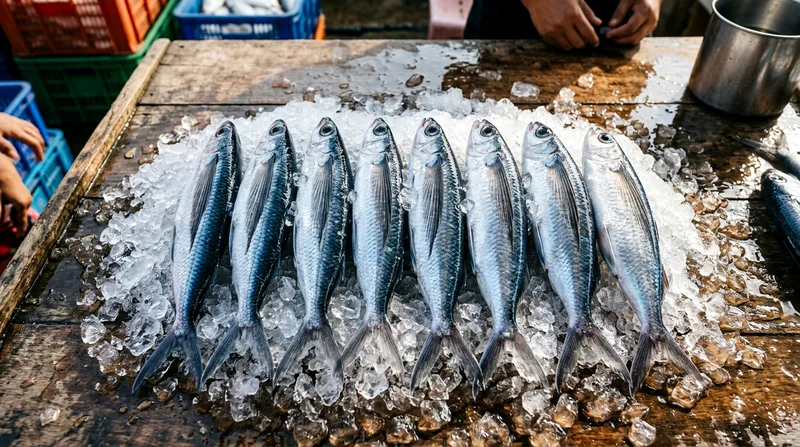
Cou-cou is a cornmeal porridge cooked with okra until it reaches a smooth, slightly sticky consistency — closer to a soft polenta than anything else most visitors will have tried. Flying fish, a small, lean fish abundant in the waters around Barbados, is typically deboned, seasoned with lime and local herbs, then steamed or lightly fried and served in a tomato-based Creole gravy. The two components are almost always plated together, though you'll occasionally see flying fish served separately as a sandwich or starter. If you're ordering in a restaurant aimed at tourists, ask if the fish is fresh or frozen — flying fish is seasonal, and some kitchens substitute imported fish during off months without saying so.
Flavor profile and key ingredients
Expect mild, not spicy. Cou-cou itself is bland by design — it's a canvas, similar to the role rice plays in other Caribbean cuisines — and the flavor comes from the gravy, which usually includes onion, garlic, thyme, tomato, and a Scotch bonnet pepper used for aroma rather than heat. The fish is light and slightly sweet. Texture matters more than spice here: a well-made cou-cou should be smooth with no lumps, and okra haters sometimes struggle, though properly cooked cou-cou doesn't taste strongly of okra at all. Compare it to Jamaica's ackee and saltfish, which is richer and saltier, or Trinidad's callaloo — Bajan food tends to sit at the gentler end of Caribbean flavor intensity.
How Cou-Cou and Flying Fish Is Made
The method hasn't changed much in decades, which is part of the appeal — this isn't a dish that's been reinvented for Instagram plating. Good cou-cou still takes patience and a strong arm, and locals will tell you that a rushed cou-cou is an obvious cou-cou.
Preparing the cou-cou
Cornmeal is added gradually to a pot of boiling water mixed with sliced okra, then stirred continuously with a wooden cou-cou stick — a distinct, slightly flattened paddle — to prevent lumps from forming. The stirring is the whole technique; it can take 20 to 30 minutes of steady work to get the right smooth, moldable texture. Traditionally it's served molded into a rounded shape on the plate, almost like a scoop of mashed potato, with a well pressed into the top to hold extra gravy. Some home cooks swap in breadfruit or sweet potato for variety, which is worth trying if you're offered it — it's a legitimate regional twist, not a shortcut.
Steamed or fried flying fish with gravy
Flying fish is cleaned, deboned, and marinated in lime juice, garlic, and seasoning peppers, often for a few hours before cooking. Steaming is the more traditional method and keeps the fish moist; frying gives a firmer texture and crisp edge, which some restaurants offer as an alternative for visitors unfamiliar with steamed fish. The gravy is built separately — sautéed onion, tomato, garlic, and herbs simmered down — then poured over the fish just before serving. If you want a vegetarian stand-in, some restaurants will do the same gravy over steamed breadfruit or eggplant, though this isn't a dish you'll find on every menu; call ahead if a plant-based version matters to you.
History and Cultural Significance
Bajan cuisine is a direct record of who has lived on and passed through the island — West African cooking techniques, British provisioning habits, and the practical limits of what grows well on a small, relatively dry island. Cou-cou and flying fish is a clean example of that blending, and it's part of why Barbados leans on it as a point of national identity rather than just a tasty meal.
African and British influences
Cou-cou descends from West African cornmeal and okra porridges — fufu and similar dishes carried over during the transatlantic slave trade and adapted using available island ingredients. The gravy-and-fish pairing reflects British colonial dining habits, where a starch-and-protein-with-sauce structure was standard. You can see the same layered history in Jamaican cuisine (ackee, a West African import, paired with British-style saltfish trade goods) or in Trinidad's doubles, which carry Indian indentured labor influence instead. Barbados's food story is less varied than Trinidad's multicultural plate, but it's arguably more consistent — Bajan food didn't absorb as many waves of immigration, so dishes like cou-cou and flying fish have stayed closer to their original form.
Why flying fish became a national symbol
Flying fish aren't unique to Barbados, but the island's fishing fleets have built their identity around them for well over a century, and the fish appears on Barbadian coins, in sports team names, and on tourism branding. The fish's prevalence in local waters made it cheap and accessible historically, which is exactly why it became a staple rather than a delicacy — practical food that stuck around long enough to become symbolic. Overfishing concerns have come up periodically, and flying fish supply can shift from season to season, so don't be surprised if a restaurant substitutes mahi-mahi or kingfish during leaner months.
Other Bajan Foods You Must Try
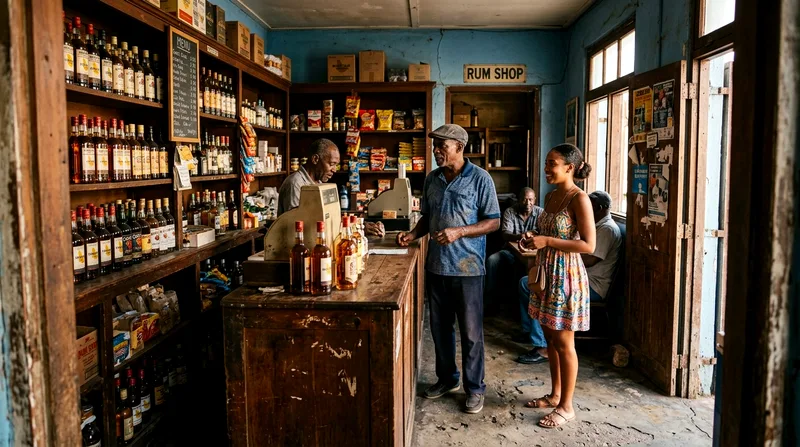
Cou-cou and flying fish gets the headline, but limiting yourself to one dish on a trip to Barbados is a mistake. Bajan food culture runs much wider, and some of the best eating happens outside sit-down restaurants entirely — at roadside stands, bakeries, and rum shops that don't bother with English-language menus for tourists.
Cou-cou and flying fish is the mildest, most widely available Bajan dish, while pudding and souse and fish cakes offer sharper or heavier alternatives.
Barbados national dish and other Bajan foods compared by flavor and where to find them
| Dish | Flavor Profile | Typical Meal | Where to Find It |
|---|---|---|---|
| Cou-cou and flying fish | Mild, savory | Lunch or dinner | Restaurants island-wide |
| Pudding and souse | Tangy, vinegar-forward | Saturday meal | Rum shops, home cooking |
| Bajan fish cakes | Salty, spiced | Snack | Street stands, bakeries, restaurants |
| Macaroni pie | Rich, cheesy | Side dish | Sunday lunches, buffets |
| Saltbread with fish | Soft, mildly sweet | Breakfast | Bakeries, street stands |
Availability and exact preparation vary by cook and season; ask locally for the current best spots.
Macaroni pie, fish cakes and plantains
Macaroni pie is the Bajan answer to macaroni and cheese, baked firmer and denser than the American version, usually with a mustard-forward, slightly sharp cheese flavor — it's a near-mandatory side at Sunday lunches and buffets. Bajan fish cakes are deep-fried balls of salted cod mixed with herbs and hot pepper, sold everywhere from gas stations to high-end restaurants; they're one of the most affordable, reliable snacks on the island and a good test of a kitchen's seasoning. Fried plantains show up as a side with almost any main, sweet and caramelized, offering a textural break from the starchier cou-cou and macaroni pie. If you're building a food-tasting afternoon, these three together make a more varied, less filling option than a full cou-cou plate.
Pudding and souse and Bajan breakfast staples
Pudding and souse is a Saturday tradition across Barbados — pickled pork (souse) served alongside a steamed sweet potato pudding seasoned with spices, a pairing that sounds odd on paper and works well in practice. It's heavier and more acidic than cou-cou and flying fish, with a vinegar-forward bite from the pickling liquid. It's not a dish every visitor warms to immediately, particularly if you're squeamish about cuts of pork like ears and feet, which traditionally go into souse — ask what's in the batch before ordering if that matters to you. For breakfast, look for saltbread (a soft, slightly sweet roll) filled with fried fish or ham, sold at bakeries and street stands well before most restaurants open.
Bajan Drinks and Barbados Cherry
No food guide to Barbados is complete without the drinks side, and this is where the island has a stronger international reputation than almost anywhere else in the Caribbean — Barbados is widely credited as the birthplace of rum distillation, and that history shapes both the national drink and much of local drinking culture.
Rum punch and the national drink
Rum punch is generally considered the national drink of Barbados, built on the old rhyme "one of sour, two of sweet, three of strong, four of weak" — lime juice, sugar syrup, rum, and water or fruit juice. Mount Gay, founded in Barbados and often cited as the oldest commercial rum brand still in production, anchors much of the island's rum culture, though you'll find several other local distilleries worth comparing if you're doing a rum-focused day. Compare this to Jamaica's spiced, heavier rum style or the lighter, often coconut-forward rums of Aruba — Bajan rum generally sits in a smoother, medium-bodied range, which is part of why rum punch here doesn't need much dressing up. Go easy on the "strong" ratio at rum shops; some pour considerably heavier than the classic recipe suggests.
Barbados cherry in juices and preserves
The Barbados cherry — also known regionally as acerola — is a small, tart red fruit used in local juices, jams, and occasionally in rum-based cocktails as a syrup. It's not the same as a Western sweet cherry; it's sharper, closer to a cross between a cranberry and a cherry, and it's notably high in vitamin C. You'll see it sold fresh at produce markets seasonally, and bottled as juice or cordial in grocery stores year-round, which is the more practical option if you're visiting outside peak season.
Where to Eat and Taste Bajan Food
Finding good Bajan food in Barbados isn't hard, but finding it in its most honest form takes a little intention — resort restaurants tend to soften flavors and portion things for unfamiliar palates, which is fine if that's what you want, but it's not the same experience as eating where locals actually eat.
Rum shops, fish fries and local restaurants
Oistins Fish Fry, held on Friday and Saturday nights in the fishing town of Oistins, is the most reliable introduction to casual Bajan eating — grilled or fried fish, sides, and a loud, informal atmosphere with live music most weekends. Rum shops, the small, often family-run bars scattered across every parish, are where you'll find the most unpretentious versions of fish cakes, cutters (a Bajan sandwich on salt bread), and conversation with locals who have opinions about which shop makes the best souse. Compared to Grenada's or St. Lucia's more scattered roadside food culture, Barbados's rum shop network is denser and easier to navigate without a car, especially around the south and west coasts.
Food tours and cooking experiences
If you'd rather not guess which rum shop is worth stopping at, a guided food tour solves that problem — walking tours through Bridgetown's markets, or structured outings that combine a few food stops with some history, are widely available and a reasonable way to taste five or six dishes in one afternoon without overcommitting at any single restaurant. Home-style dining experiences such as Dine with a Bajan connect visitors directly with local hosts for a home-cooked meal, which tends to produce a more traditional cou-cou and flying fish than most restaurant versions, since it's cooked the way a Bajan family actually eats it on a Friday. It's worth comparing a few food tour and cooking class options before booking, since itineraries and group sizes vary — check current prices and availability when you're ready to book.
Frequently asked questions
What is the Barbados national dish?
It's cou-cou and flying fish — a cornmeal and okra porridge served with flying fish cooked in a tomato-based Creole gravy. It's the most widely recognized dish on the island and appears on menus from casual lunch spots to upscale restaurants, though preparation varies by cook.
What do locals eat in Barbados?
Beyond cou-cou and flying fish, locals regularly eat macaroni pie, fish cakes, pudding and souse (especially on Saturdays), fried plantains, and saltbread sandwiches. Rum shops and fish fries, particularly the Friday night one in Oistins, are where everyday Bajan eating happens rather than at tourist-oriented restaurants.
What is the national drink of Barbados?
Rum punch is generally considered the national drink, made with lime, sugar, rum, and water or juice following the old "one of sour, two of sweet, three of strong, four of weak" formula. Barbados is also home to Mount Gay, one of the oldest commercial rum brands still operating.
What are the ingredients in cou-cou and flying fish?
Cou-cou is cornmeal and okra cooked in water until smooth. The flying fish is deboned, marinated in lime and seasoning, then steamed or fried and topped with a gravy made from onion, garlic, tomato, thyme, and a touch of hot pepper for aroma rather than heat.
Where can you eat cou-cou and flying fish in Barbados?
You'll find it at restaurants across the island, from casual spots in Bridgetown to beachfront dining in St. James. For a more traditional, home-cooked version, a local dining experience like Dine with a Bajan or a guided food tour will usually get you closer to how it's actually made in Bajan households.