Plan your Barbados Kadooment experience: how to join a band, what packages include, how to watch Grand Kadooment Day, and who it suits best.
What Barbados Kadooment Is and Why It Matters
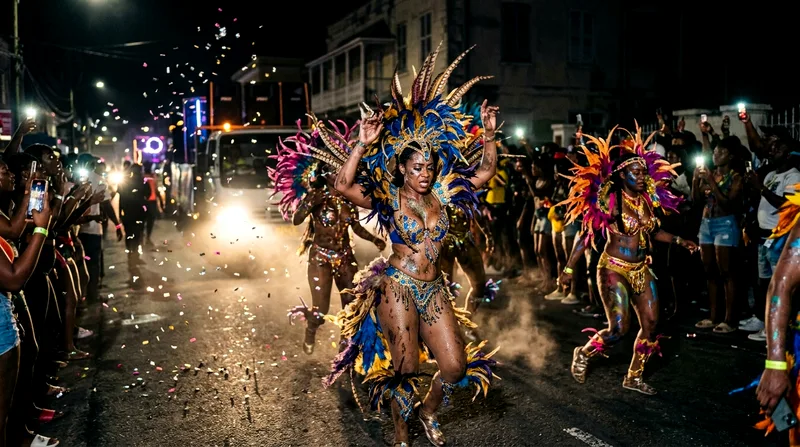
Barbados Kadooment is the day thousands of people stop being spectators and become the show. It caps months of fetes, boat rides, and competitions that make up the Crop Over Festival, and it's the one date on the Barbados calendar that visitors specifically build trips around. If you've seen footage of dancers in feathered costumes moving through Bridgetown behind a truck stacked with speakers, that's Grand Kadooment — not a reenactment, a working festival with real logistics, real registration deadlines, and real decisions to make before you land.
The event matters because it's not staged for tourists. Bajans plan their year around it, booking costumes a year in advance in some cases, and the energy on the road reflects that investment. For a visitor, that authenticity is the appeal — but it also means you're joining someone else's celebration, not a packaged attraction with guaranteed comfort. Expect heat, expect noise, expect to wait.
Kadooment Day as the Crop Over Finale
Crop Over has roots in the island's sugar cane harvest, when plantation workers marked the end of the reaping season with music, costumes, and feasting. That harvest celebration evolved into the modern festival the National Cultural Foundation now organizes, running for several weeks with calypso competitions, the Pic-O-De-Crop finals, and fetes building toward the finale. Grand Kadooment Day is that finale — a national public holiday in Barbados, which means banks, many shops, and government offices close.
The historical thread is worth knowing because it explains the costumes' agricultural symbolism and why the festival feels communal rather than commercial. Visit Barbados and the National Cultural Foundation both publish the yearly festival calendar, and that's the first place to check before booking flights — dates shift annually within the summer period, and no travel guide should pin you to a fixed date since it's tied to the agricultural and festival calendar rather than a fixed day.
The Kadooment Road March and Route
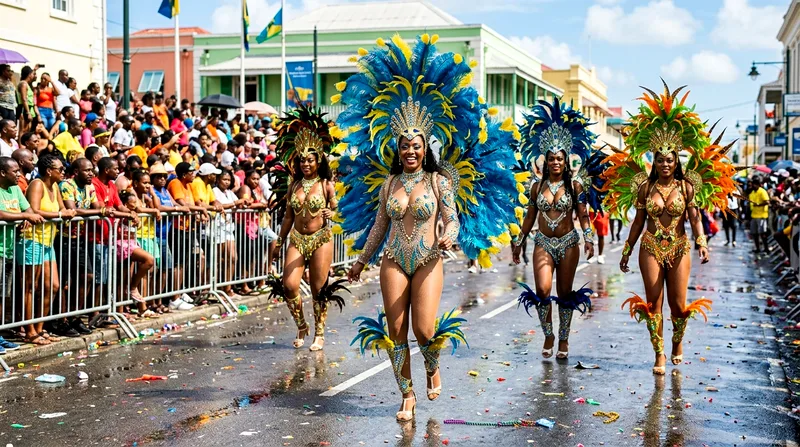
The parade — officially the road march — starts near the National Stadium in the Garfield Sobers Sports Complex area and moves through Bridgetown before finishing at the Spring Garden Highway, where bands "cross the stage" in front of judges and a packed crowd. Hincks Street in Bridgetown is one of the well-known viewing points along the route, dense with spectators by mid-morning.
Bands move slowly — this isn't a brisk walk. A full crossing from start to the Spring Garden stage can take several hours depending on your band's position in the lineup and how many trucks are ahead. If you're joining a band, you'll spend most of the day on your feet in direct sun, moving in short bursts between long stops. If you're watching, position matters: spots near the stage get crowded early, while points along the earlier route are easier to access and still deliver the full spectacle.
What a Band Package Includes and Excludes
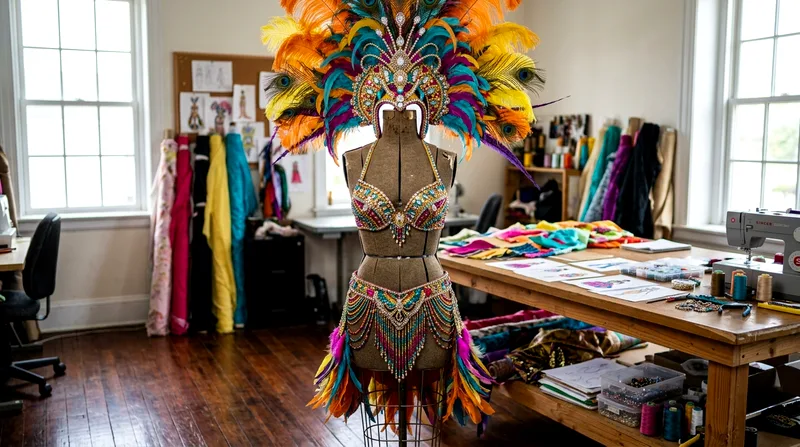
Buying into a Kadooment band means buying a costume package, and the contents vary more than first-timers expect. This isn't a single standardized product — different bands pitch different price tiers, and within one band you'll typically choose between a basic costume and a more elaborate "frontline" piece with bigger headgear and beading. Expect published package prices to sit in a wide range depending on costume complexity; always confirm the current figure directly with the band rather than trusting a secondhand quote.
The trade-off to understand up front: more elaborate costumes cost more, photograph better, but are heavier and hotter to wear for a multi-hour parade. I'd steer first-timers toward a mid-tier costume rather than the most elaborate option — you get the visual impact without carrying several extra pounds of feathers through a Barbados afternoon.
Typical Inclusions: Costume, Food, Drinks, Music
Most Kadooment band packages include the costume itself, a wristband or ID marking you as part of that band, and access to the band's truck — the music source and mobile base that moves with you along the route. Many bands also include food and drinks along the route, often distributed at scheduled stops rather than continuously, so don't expect an open bar the entire day. Water is usually part of the package given the heat, and that matters more than any other inclusion.
Security and a band-provided water truck or support vehicle are common, and registration usually gets you grouped into a specific section of the band tied to your costume color or design. None of this is universal — some smaller or budget bands offer leaner packages — so read the specific inclusions list a band publishes before paying, not what a general guide tells you to expect.
Common Extras and Exclusions to Check
Transport to the starting point is frequently excluded, and you'll need to confirm whether your band provides a pickup point or expects you to arrange your own way to the muster area — this matters in Bridgetown traffic on the morning of the parade. Alcohol beyond a certain allocation, costume alterations or sizing changes close to the date, and travel insurance are almost always the buyer's responsibility.
Check cancellation and refund terms carefully — festival costume deposits are often non-refundable, and sizing swaps get harder to arrange the closer you register to the event. If a band's website doesn't clearly state what's included, email them directly before paying; the National Cultural Foundation doesn't manage individual band contracts, so there's no central authority to appeal to if a band under-delivers.
Joining a Band vs Watching the Parade
This is the real decision point for most visitors, and it's less about cost than about how you want to experience the day. Joining a band means you're in costume, in the parade, dancing for hours surrounded by your section — total immersion, but also total commitment to heat, crowds, and a fixed schedule. Watching from the roadside costs nothing beyond maybe a taxi fare and gives you flexibility: arrive late, leave early, find shade, skip a section you find too crowded.
Neither choice is objectively better. A soca fan traveling specifically for Crop Over should lean toward joining — the atmosphere from inside a band, moving with a wall of speakers and dancing alongside strangers who've done this every year, is the whole point of Kadooment. A traveler who's in Barbados for a broader holiday and wants to dip into the festival for an afternoon is better served watching, then spending the rest of the day at a beach bar in St. Lawrence Gap once the parade passes.
Joining a band costs money and stamina but delivers full immersion, while watching the roadside route is free and flexible but keeps you on the sidelines.
Barbados Kadooment options compared: joining a band vs watching the parade
| Option | Typical Cost | Physical Demand | Best For | Booking Lead Time |
|---|---|---|---|---|
| Join a band (backline) | Moderate package price | High — hours on feet in sun | First-timers, groups, soca fans | Months ahead |
| Join a band (frontline/feature) | Higher package price | Very high — heavier costume | Experienced masqueraders, photo-focused visitors | Months ahead |
| Watch at Spring Garden Highway finish | Free (transport only) | Low, but dense crowds | Seeing the stage crossing | No booking needed |
| Watch earlier on route (e.g. near Bridgetown) | Free (transport only) | Low, more space | Families, seniors, casual viewers | No booking needed |
Costs and lineups vary by band and year; confirm current packages and the festival calendar on official Crop Over and band channels before booking travel.
Band Section Types Compared
Bands typically split participants into sections by costume design, and within sections there's often a frontline (smaller, more revealing, premium-priced) and a backline (fuller coverage, slightly cheaper, sometimes more comfortable for hours of movement). Larger bands may also offer a "monarch" or feature section at a premium price point with the most elaborate headpieces — striking in photos, genuinely tiring to wear for a full road march.
If you're unsure, backline sections are the more forgiving choice for a first Kadooment — less fabric and feather weight, easier movement, and still fully part of the band's music and energy.
Watching from the Roadside
Spectating costs nothing to join but still needs planning. Arrive early at a spot along the route — Hincks Street and other points through Bridgetown fill up fast once the first bands pass. Bring water, cash for street vendors, and sun protection; shade is limited along most of the route. The Spring Garden Highway finish area gets the densest crowds since that's where bands cross the judging stage, so if you want a good view but not a crush, pick a point earlier on the route instead.
How to Register With a Kadooton Band
Kadooment band registration is a seasonal business — bands open sign-ups months ahead of Grand Kadooment Day and sell out their popular costume designs well before the festival itself begins. If you're planning a trip around Kadooment, your band decision needs to happen early, often before you've even locked in flights, because costume availability — not flight availability — is usually the binding constraint.
Registration Timeline and Costume Pickup
Most bands open registration well ahead of the festival period and expect a deposit at sign-up, with the balance due closer to the date — exact windows differ band to band, so check each band's own site for its current schedule rather than assuming a fixed pattern. Costume pickup typically happens in the days immediately before Kadooment, often requiring an in-person visit to the band's mas camp in Barbados, which is a real constraint if you're arriving the same week as the parade. Some bands offer limited shipping or pre-arrival collection options for overseas participants — ask directly, since this isn't standard across all bands.
Official Channels and Avoiding Scams
Register directly through a band's official website or verified social media account, and treat any reseller offering "guaranteed" costumes at a discount with suspicion — Crop Over season attracts resale scams targeting overseas buyers who can't easily verify a band in person. Visit Barbados and the National Cultural Foundation publish the official festival calendar and sometimes list registered bands, which is a safer starting point than a random search result. Pay by card or a traceable method where possible, and keep registration confirmation emails; cash transfers to an unverified account are the most common way visitors lose money on this.
Is Kadooment Worth It for Visitors?
It depends entirely on what kind of trip you want, and I'd be upfront that it's not for everyone. If you dislike crowds, loud sustained music, or walking for hours in Caribbean heat, Kadooment will feel like an endurance test rather than a party. Compare it honestly to carnival-style events elsewhere — Trinidad and Tobago's Carnival is bigger and more intense, Grenada's Spicemas is smaller and more local-feeling — and Kadooment sits in between: large enough to be a genuine spectacle, small enough that a first-timer can still navigate it without a crowd the size of Port of Spain's.
By Traveller Type: First-Timers, Groups, Families, Solo
First-timers should join a band once, ideally in a backline section, and treat it as a full-day commitment rather than squeezing it between other plans. Groups of friends get the most value from banding together — literally — since the shared costume and section make for a built-in social unit all day. Solo travelers can absolutely join a band; most bands integrate solo registrants into a section without issue, and the parade itself is a sociable environment where strangers dance together constantly.
Families with young children are better off watching from the roadside rather than joining — the heat, noise volume near trucks, and multi-hour duration aren't built for small kids, though older teenagers who like music festivals may enjoy joining. Senior travelers can watch comfortably from a shaded, earlier point on the route; joining a band for the full march is a serious physical undertaking given the walking distance and sun exposure, so I'd only recommend it to seniors who are already used to long days on their feet outdoors.
Frequently asked questions
How do I join a Kadooment band as a visitor?
Choose a registered band through its official website, select a costume section (frontline or backline), and pay the deposit to secure your spot. You'll typically owe a balance before the festival and need to collect your costume in Barbados in the days before Kadooment Day, so factor an earlier arrival into your travel dates.
When should I register for a Kadooment band?
Register as early as the band allows — popular costume designs and sizes sell out months before Grand Kadooment Day. Treat band registration as a higher priority than booking flights, since costume availability is the real bottleneck, and check each band's own site for its current opening date rather than assuming a fixed annual pattern.
What is included in a Kadooment band package?
Most packages include the costume, a wristband marking band membership, access to the band's music truck, and food and drinks distributed at points along the route. Transport to the muster point, alcohol beyond a set allocation, and costume alterations are commonly excluded — check each band's published inclusions list before paying.
Can I watch Grand Kadooment without joining a band?
Yes, and it's free. Spectators line the entire route through Bridgetown and the Spring Garden Highway finish, with Hincks Street a well-known viewing point. Arrive early for shade and a clear view, since the finish area gets crowded once bands begin crossing the judging stage.
Is Kadooment suitable for families?
Watching suits families well — pick a shaded spot earlier on the route and bring water and sun protection. Joining a band with young children is harder to recommend given the heat, noise levels near the trucks, and the multi-hour duration; older teenagers who enjoy music festivals tend to handle it better.